
Projects
Infrastructure
New Homes
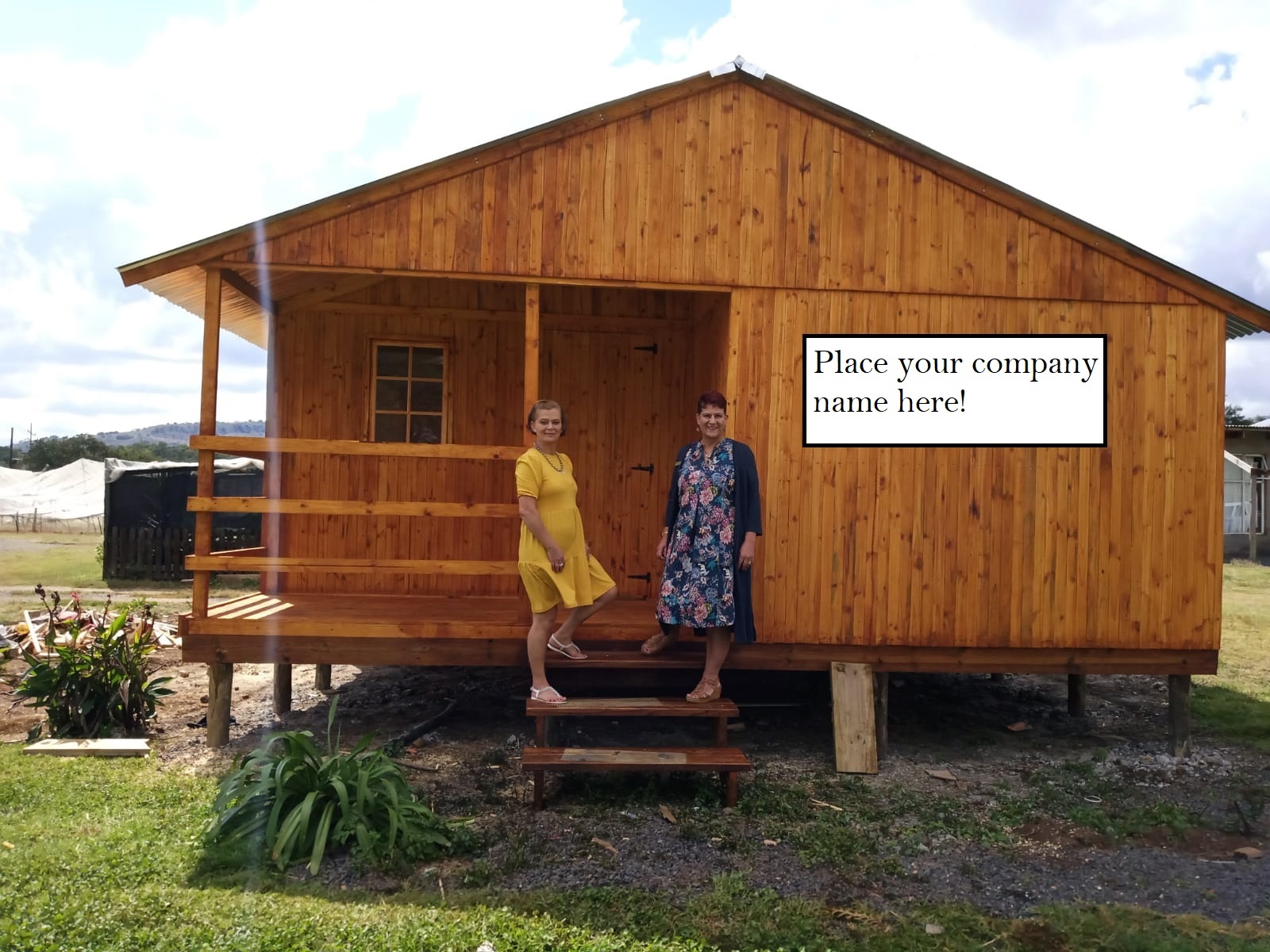
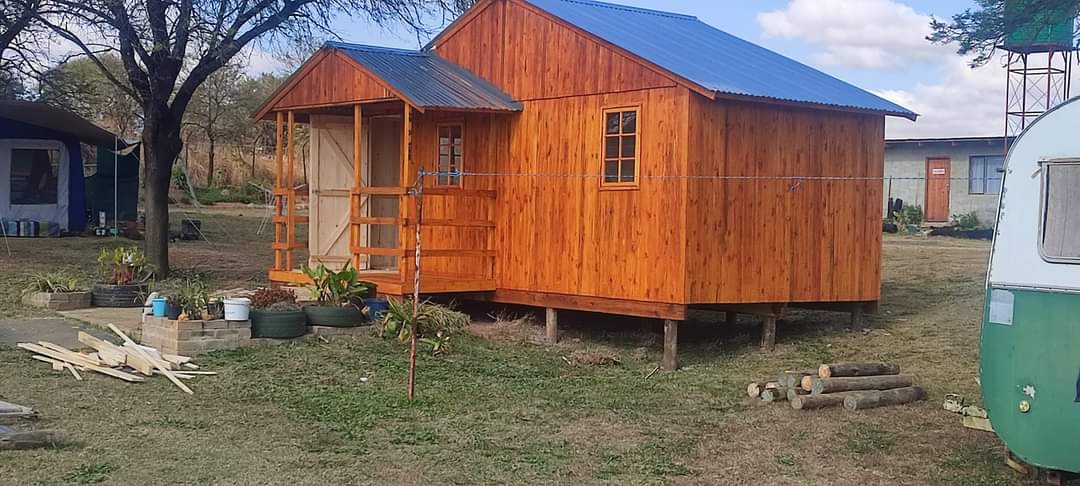
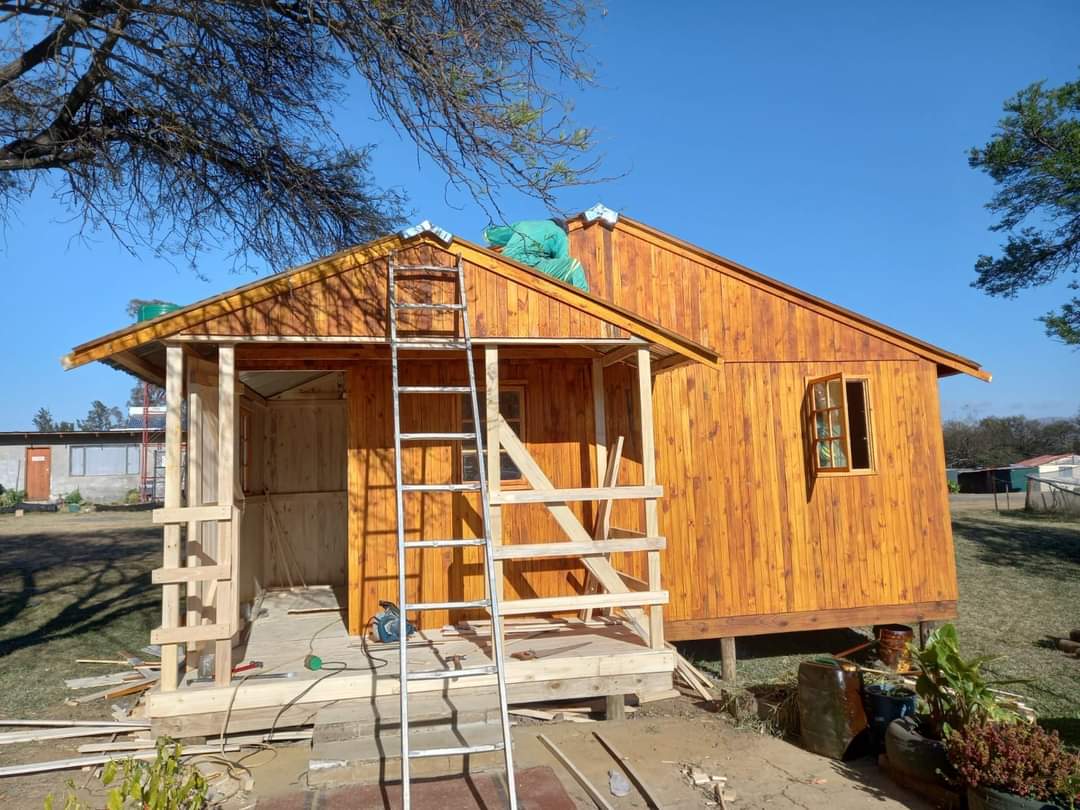
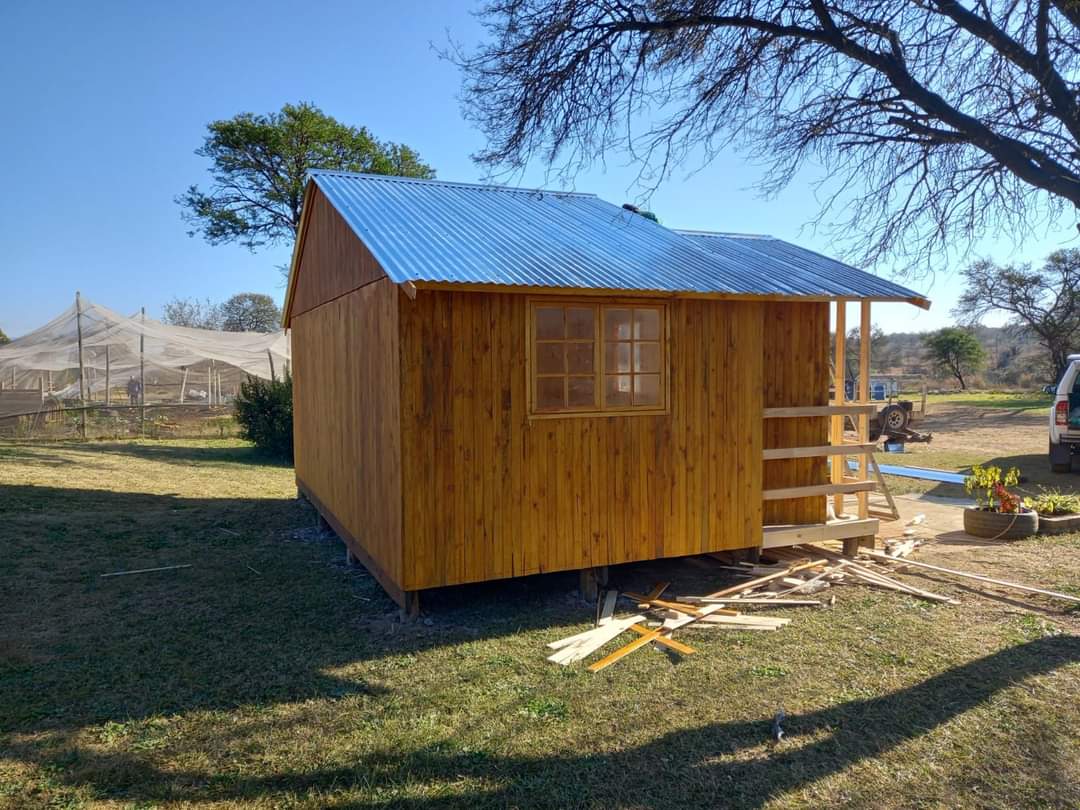
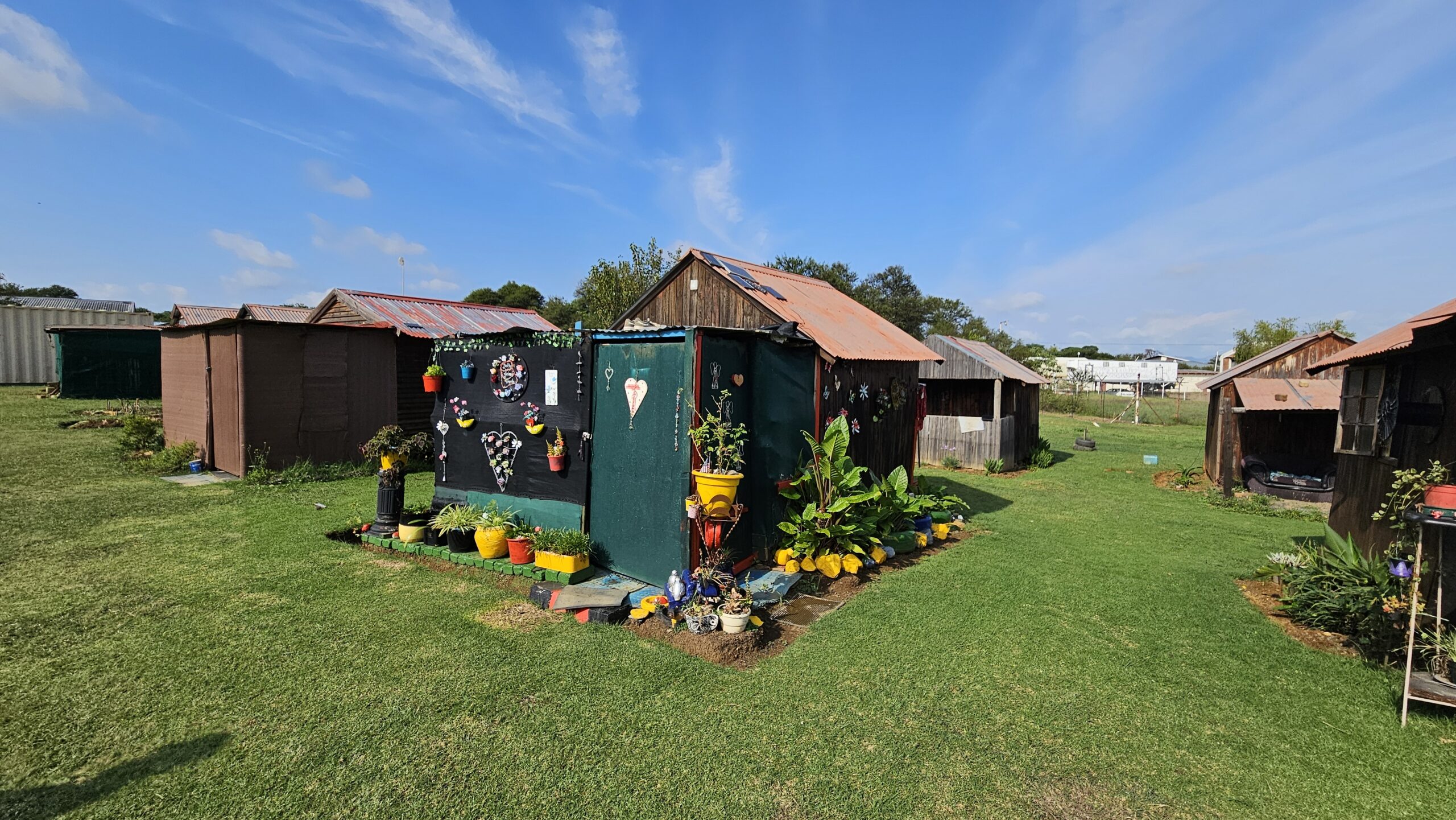
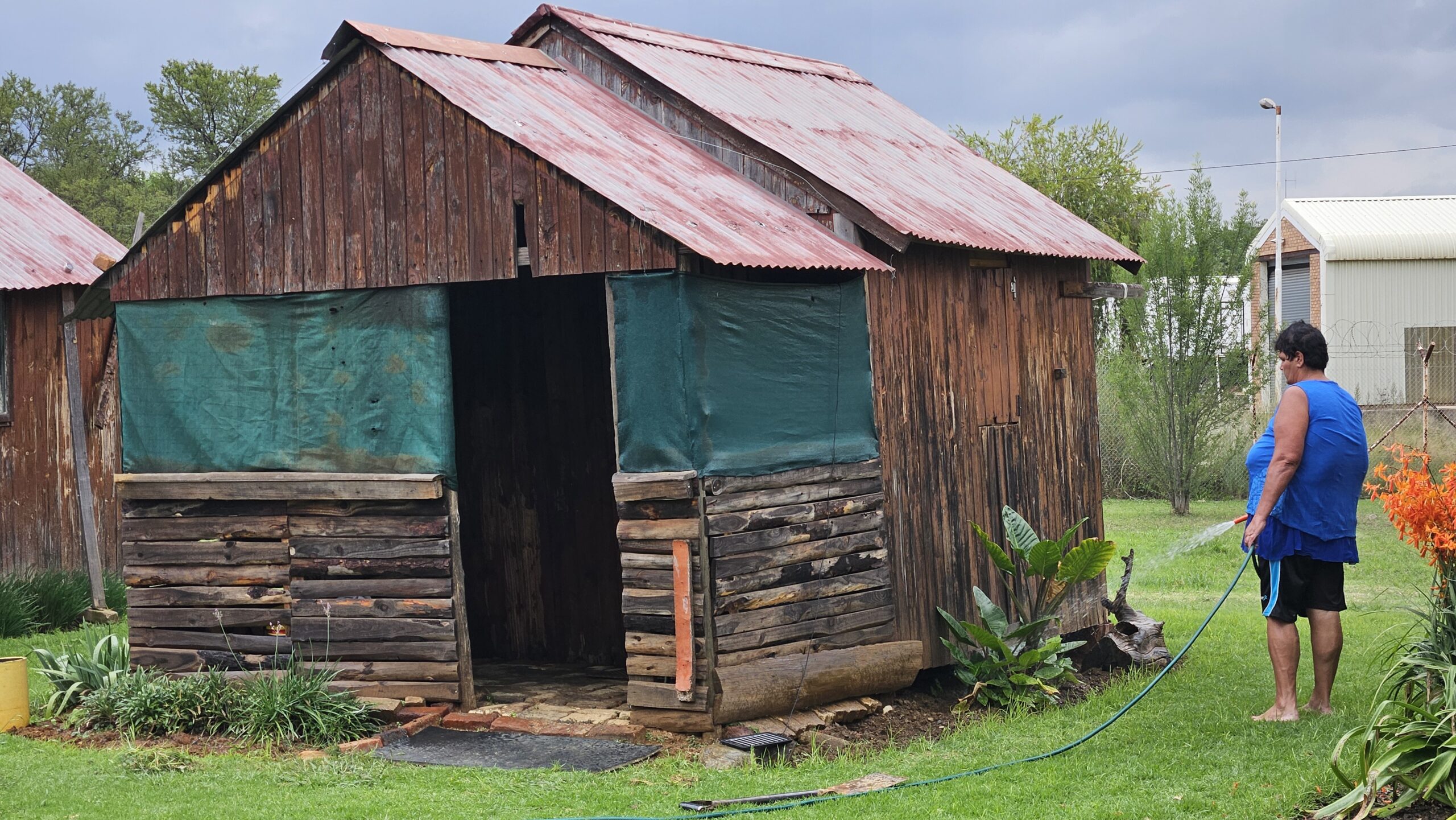
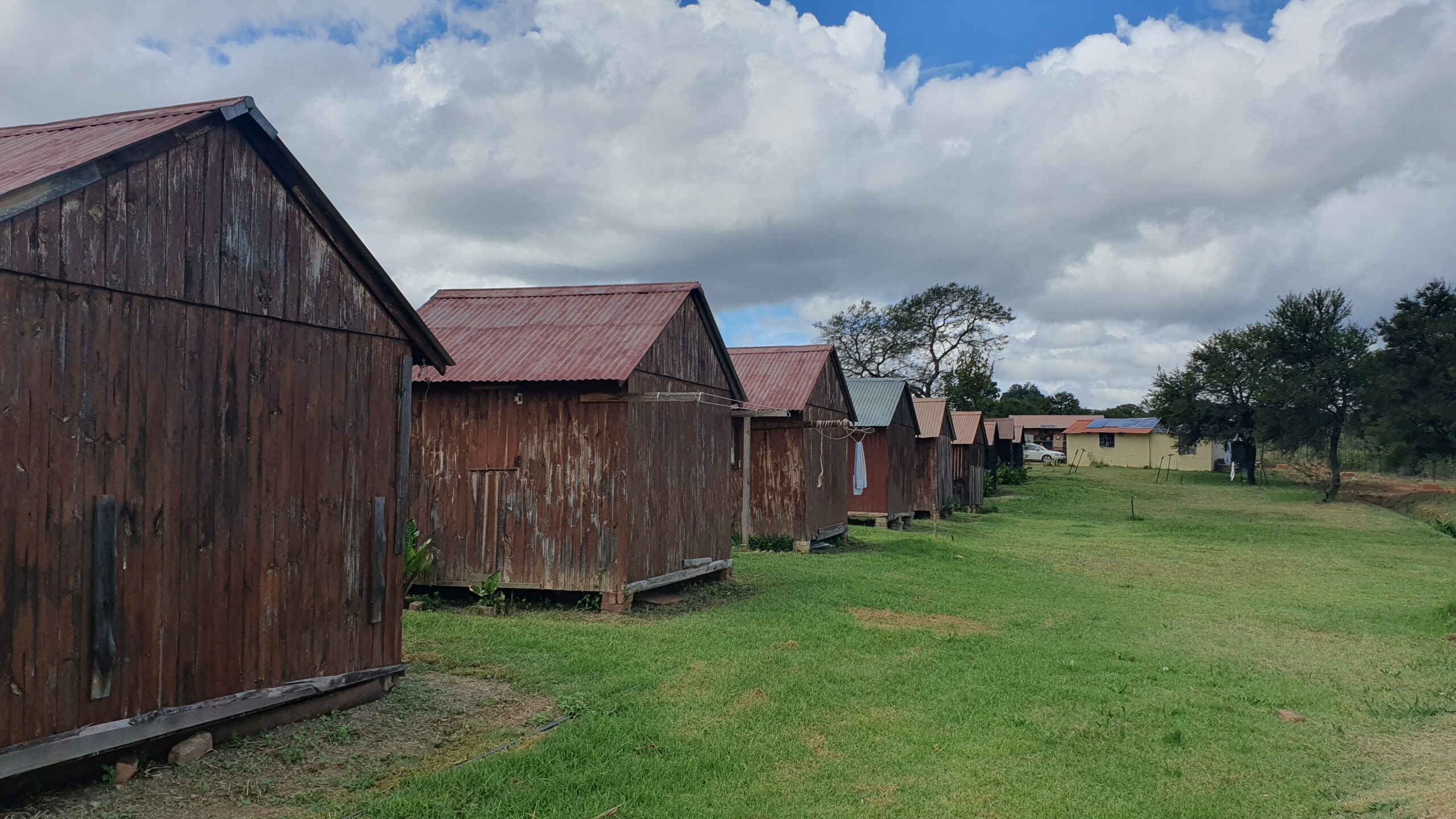
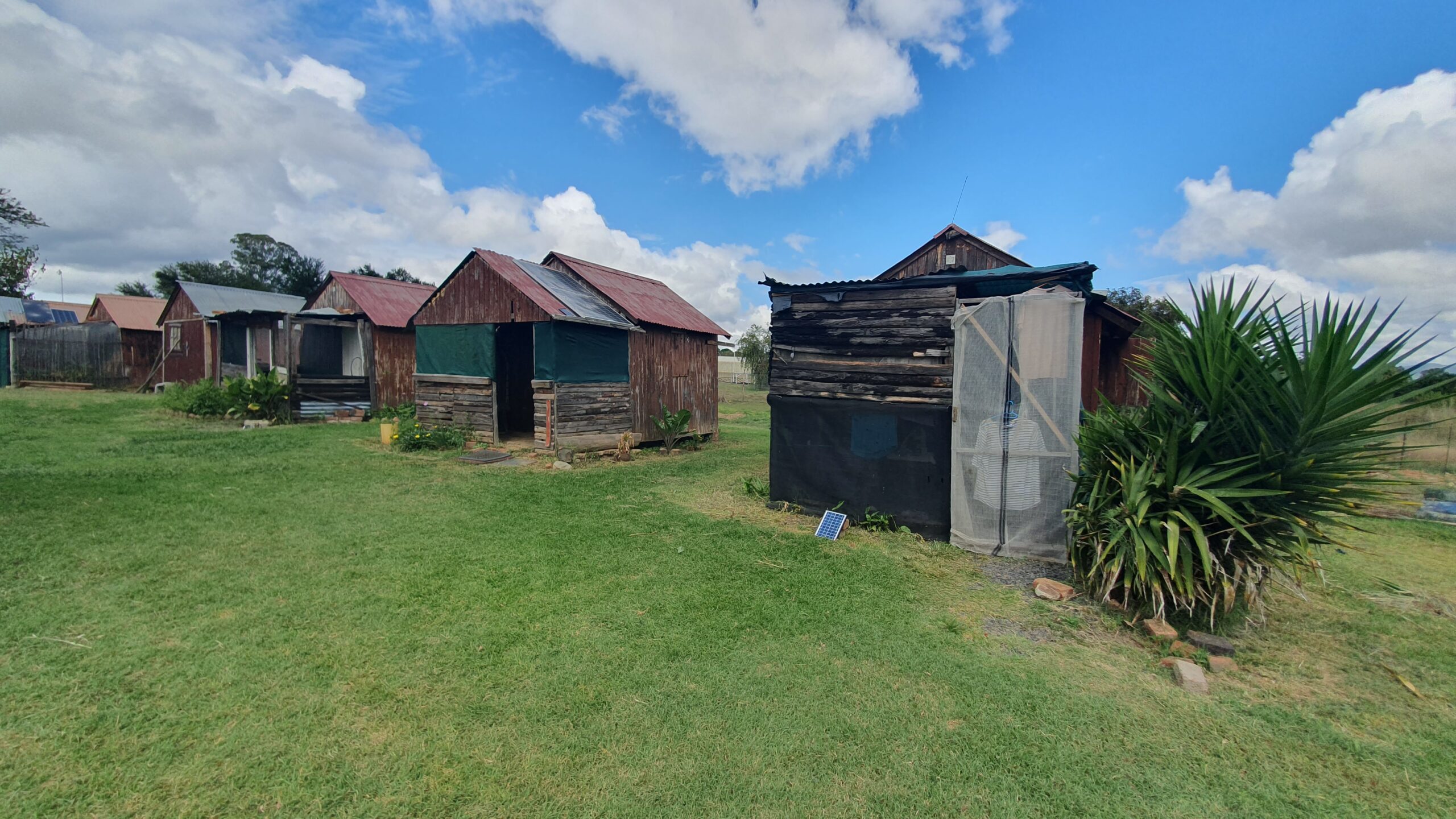
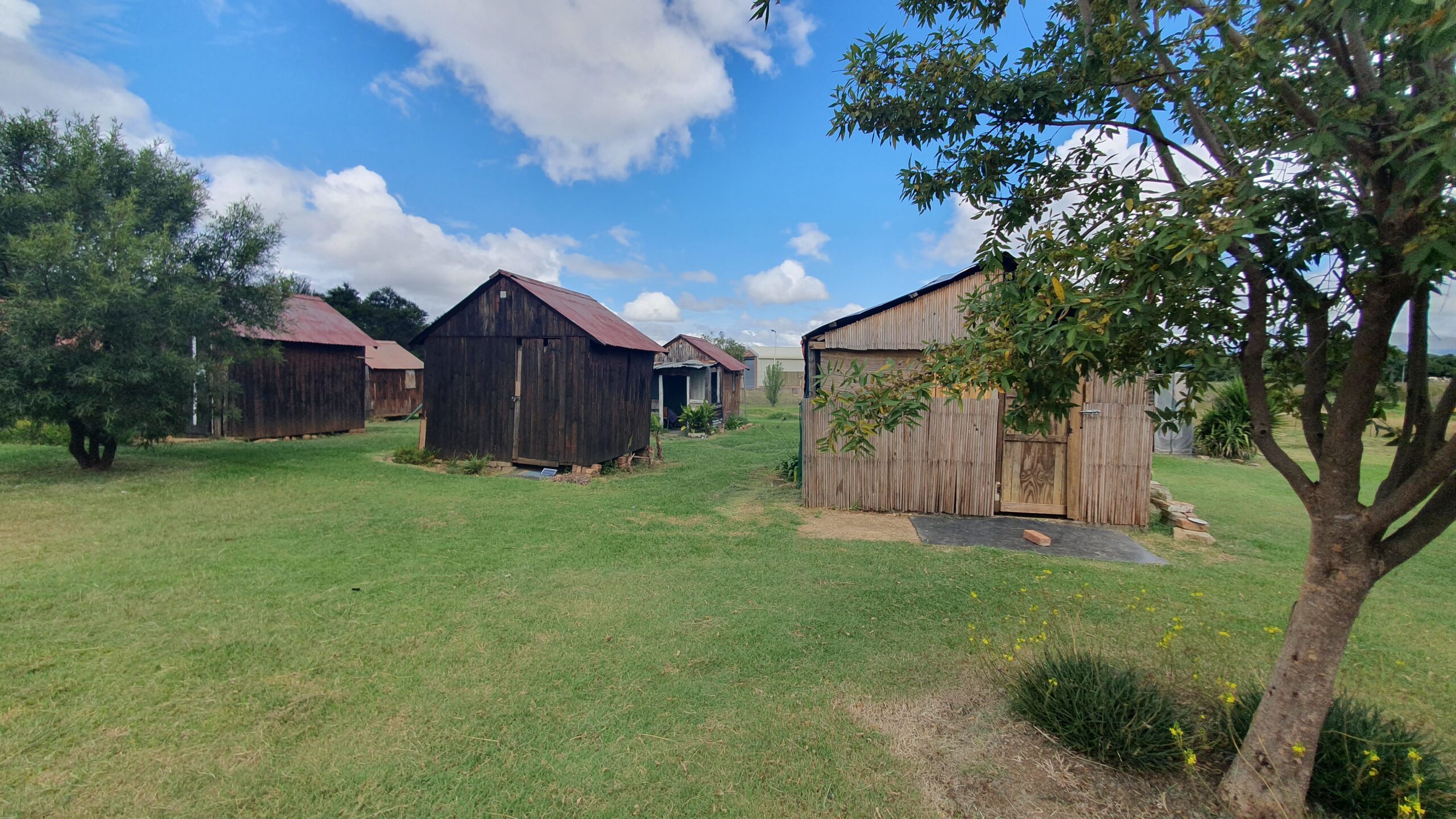
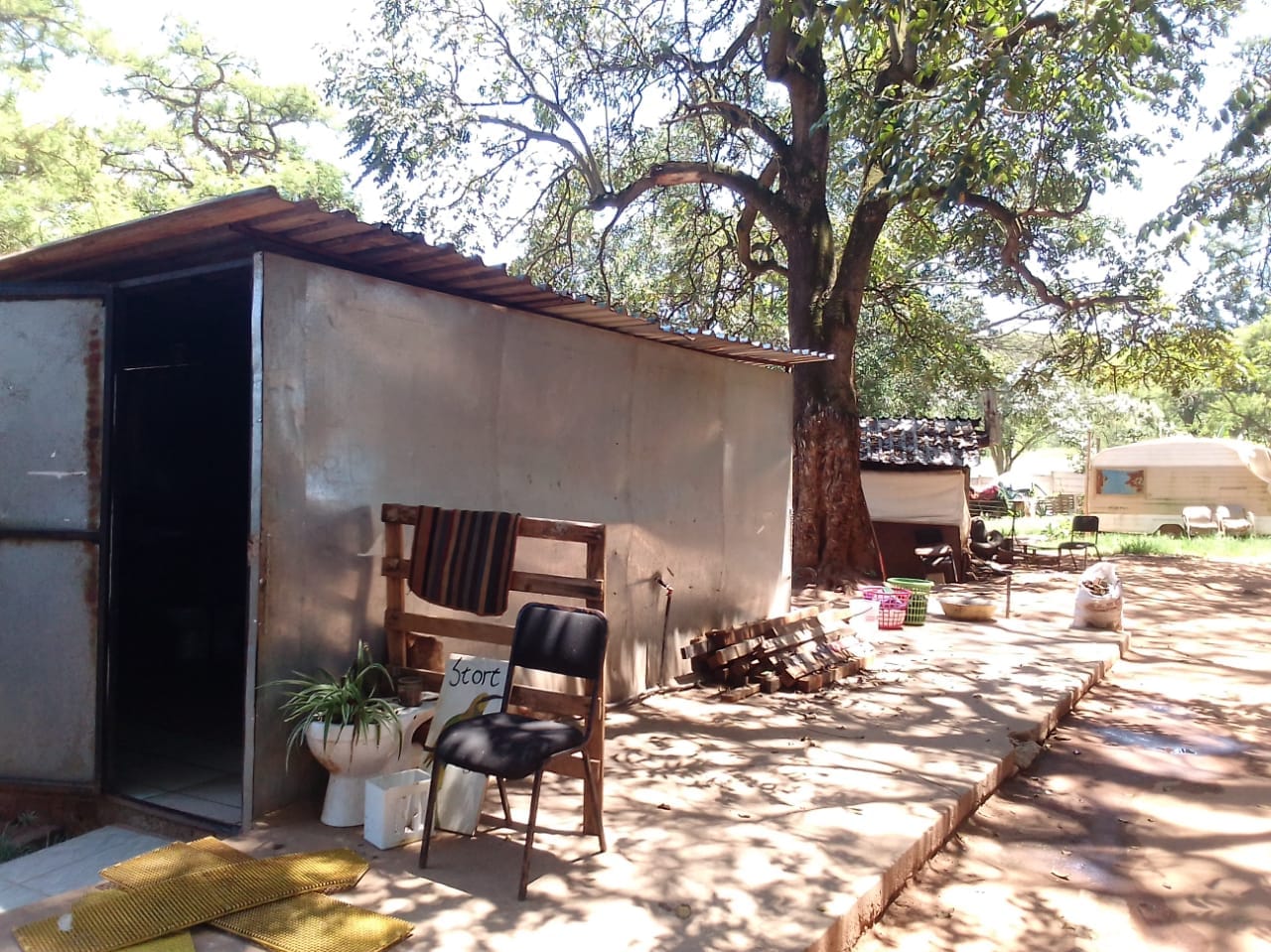
The current structures available to many families are old tool sheds or homes built
from corrugated iron. These areas experience temperatures below freezing in winter
and well above 30°C in summer, making corrugated iron structures extremely harsh
and unsafe living environments. We4SA builds proper, insulated homes that protect
families from extreme weather and provide a stable foundation for healthier lives.
Homes for Seniors
S4A builds one-bedroom, 16m² decent homes for seniors who are homeless or
living in unsafe, overcrowded conditions. These homes provide dignity, privacy, and
security, allowing elderly people to live independently in a clean and stable
environment. Many seniors have no access to pensions, family support, or formal
housing due to lifelong exclusion from social and labour systems in South Africa. By
providing permanent, low-maintenance homes, S4A protects vulnerable seniors
from further harm while restoring hope and human dignity.
S4A builds two-bedroom, three-room homes for families
S4A builds two-bedroom, three-room homes for homeless families in South Africa. Safe housing forms the foundation for dignity, health, and education. Children struggle to succeed in school when cold, wet, or cramped in overcrowded shacks. Many live in old tool sheds or corrugated iron structures that offer no protection from freezing winters or scorching summers over 30°C. These proper homes provide weather-resistant spaces for privacy, study, and rebuilding lives
Dormitory accommodation for single adults
S4A constructs dormitory accommodations for homeless single adults, offering safe and immediate shelter during crises. Equipped with double bunk beds, each dormitory houses up to 16 people and serves primarily as emergency housing. Shelters frequently handle urgent requests from individuals needing temporary stays while reconnecting with family or arranging alternatives. These facilities are vital for accommodating unexpected arrivals, especially at night or weekends, ensuring everyone has a secure place to sleep.
Ablution
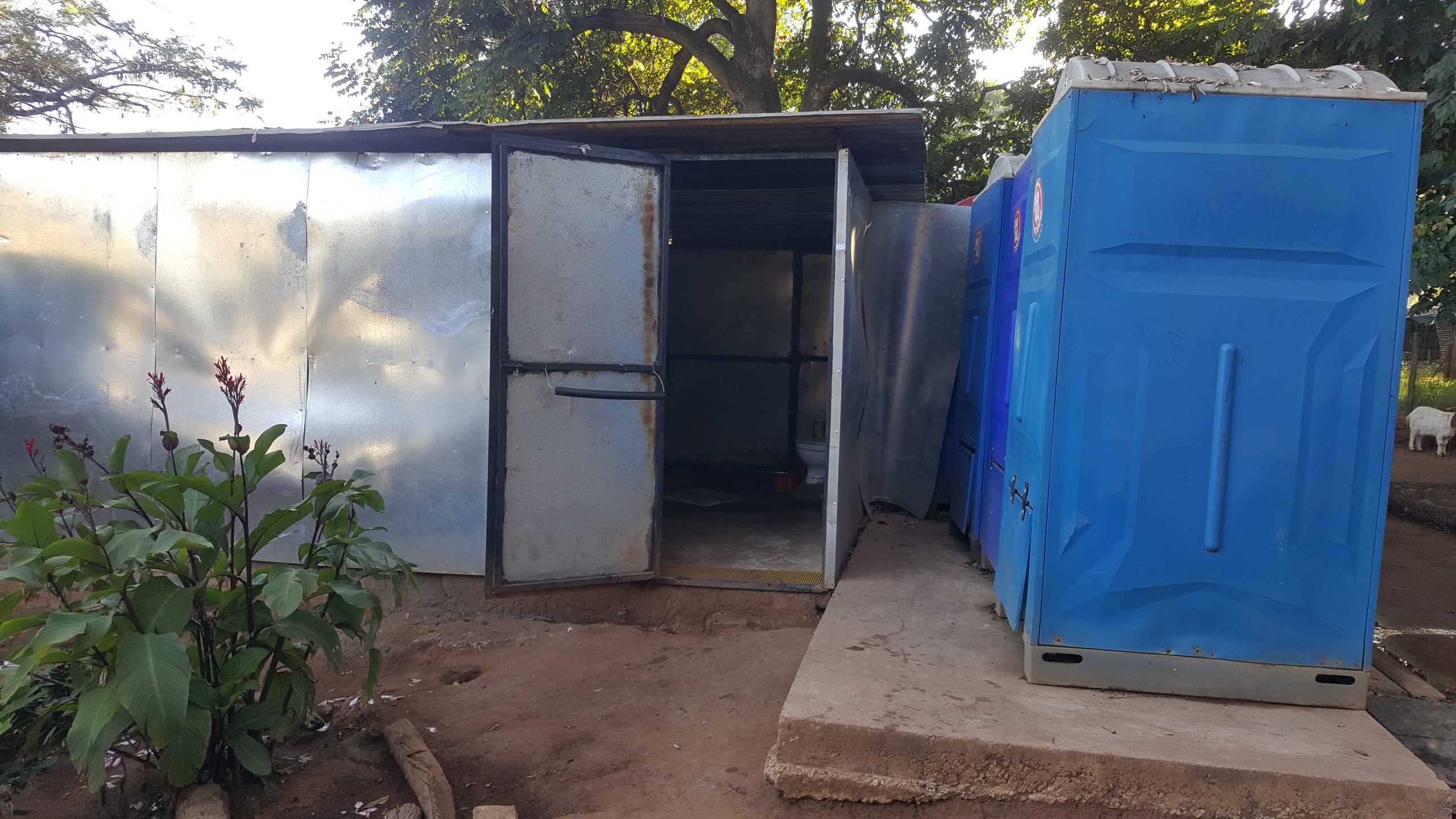
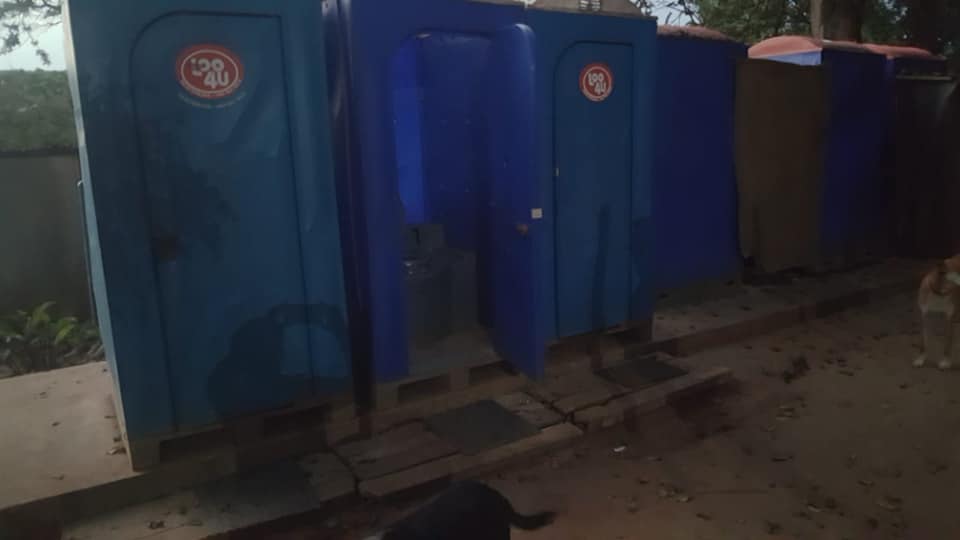
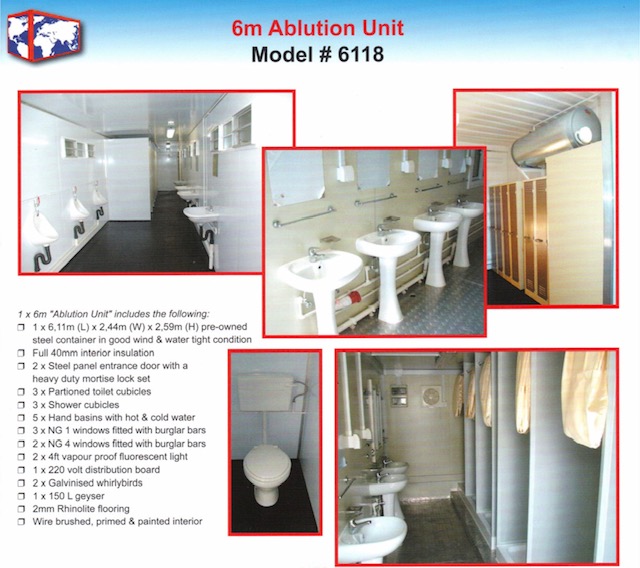
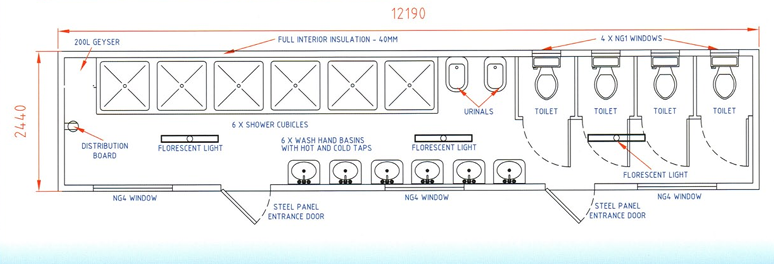
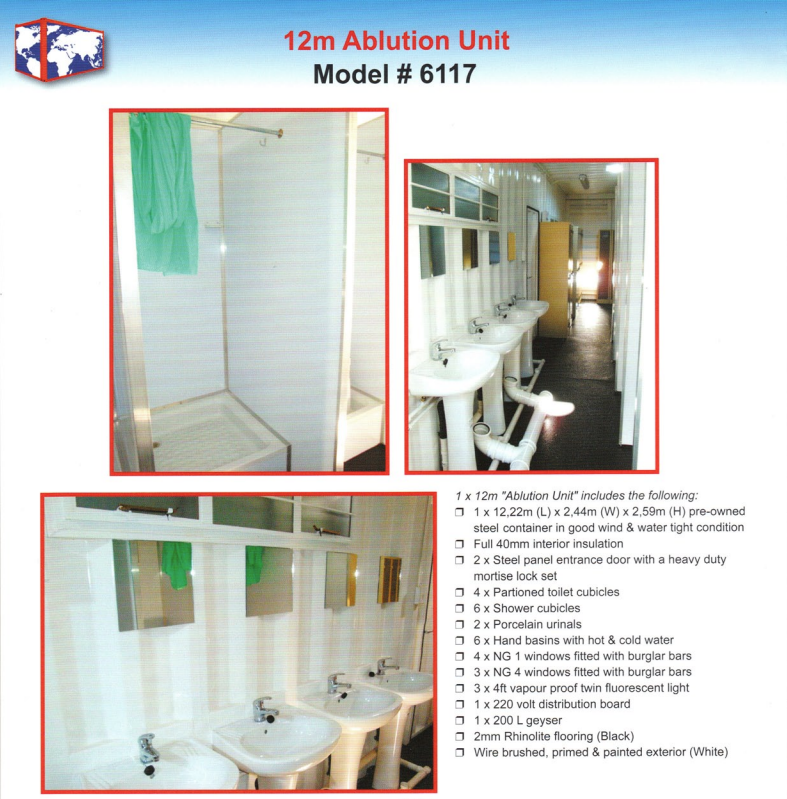
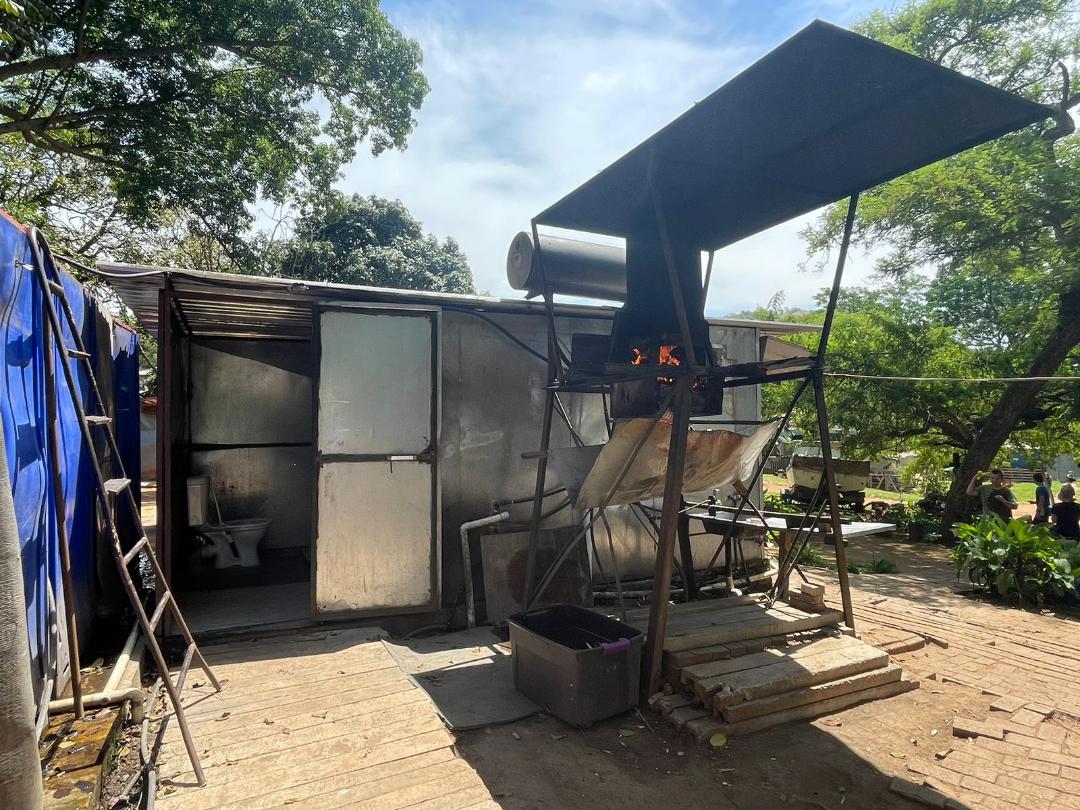
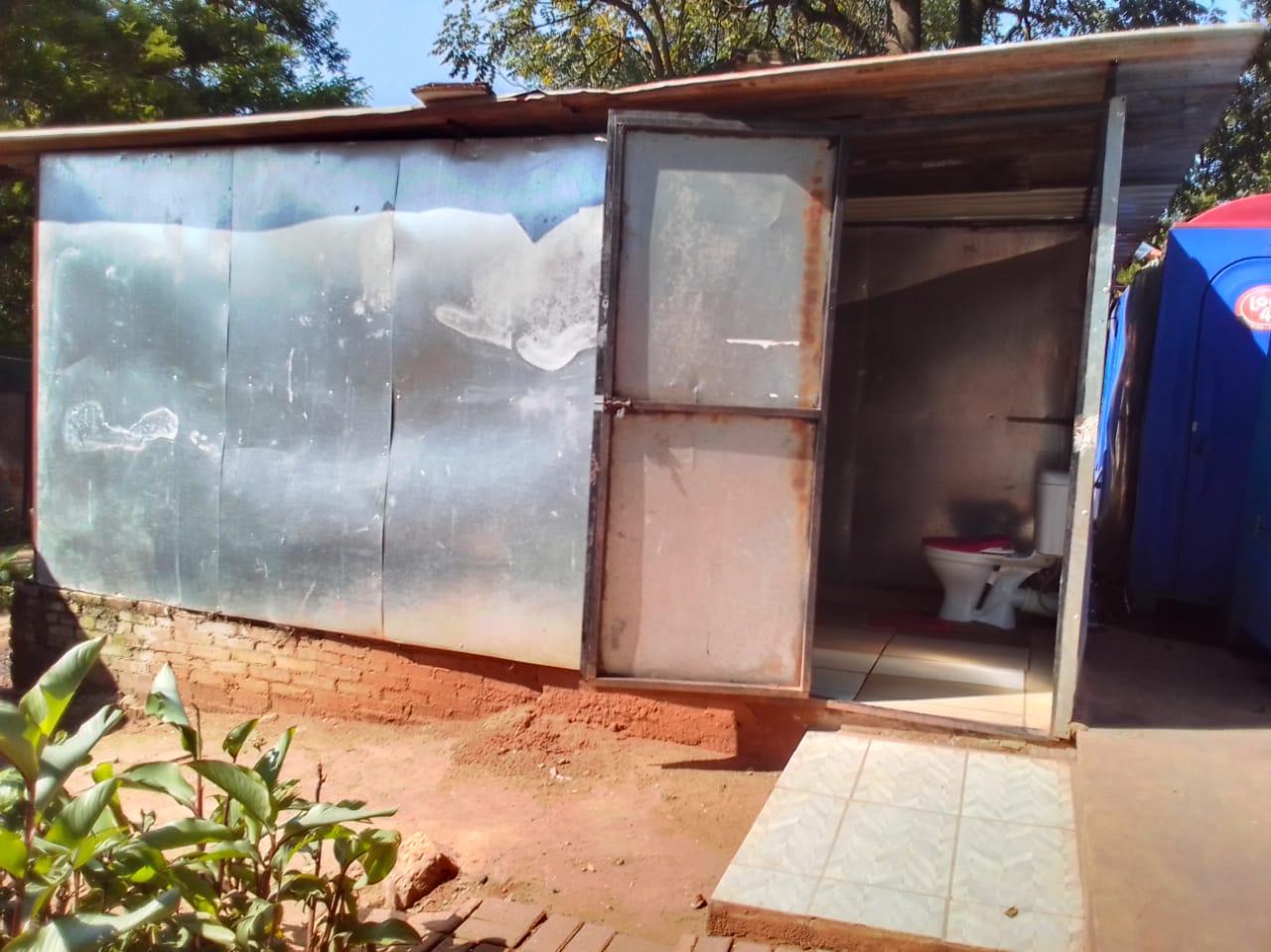
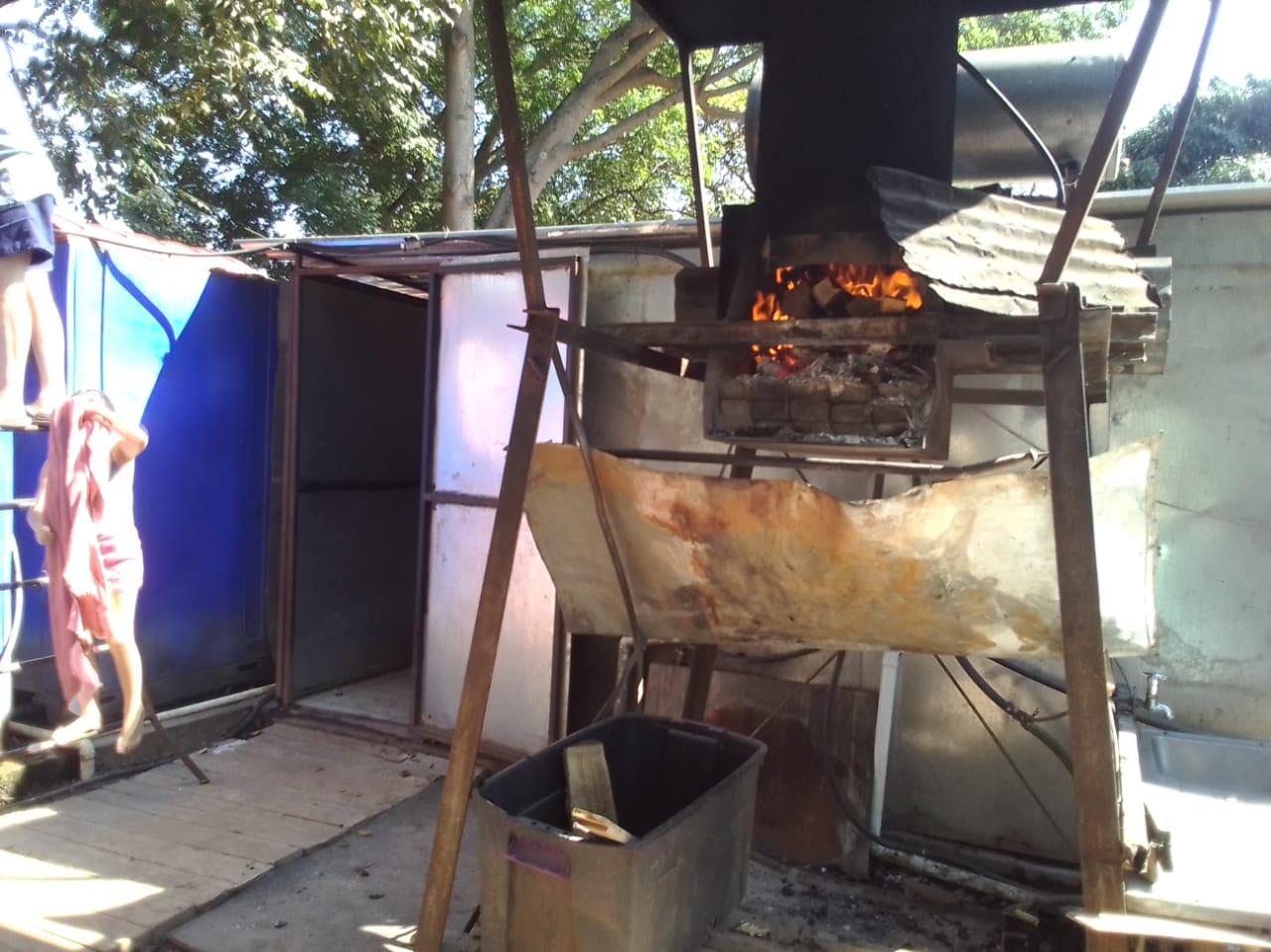
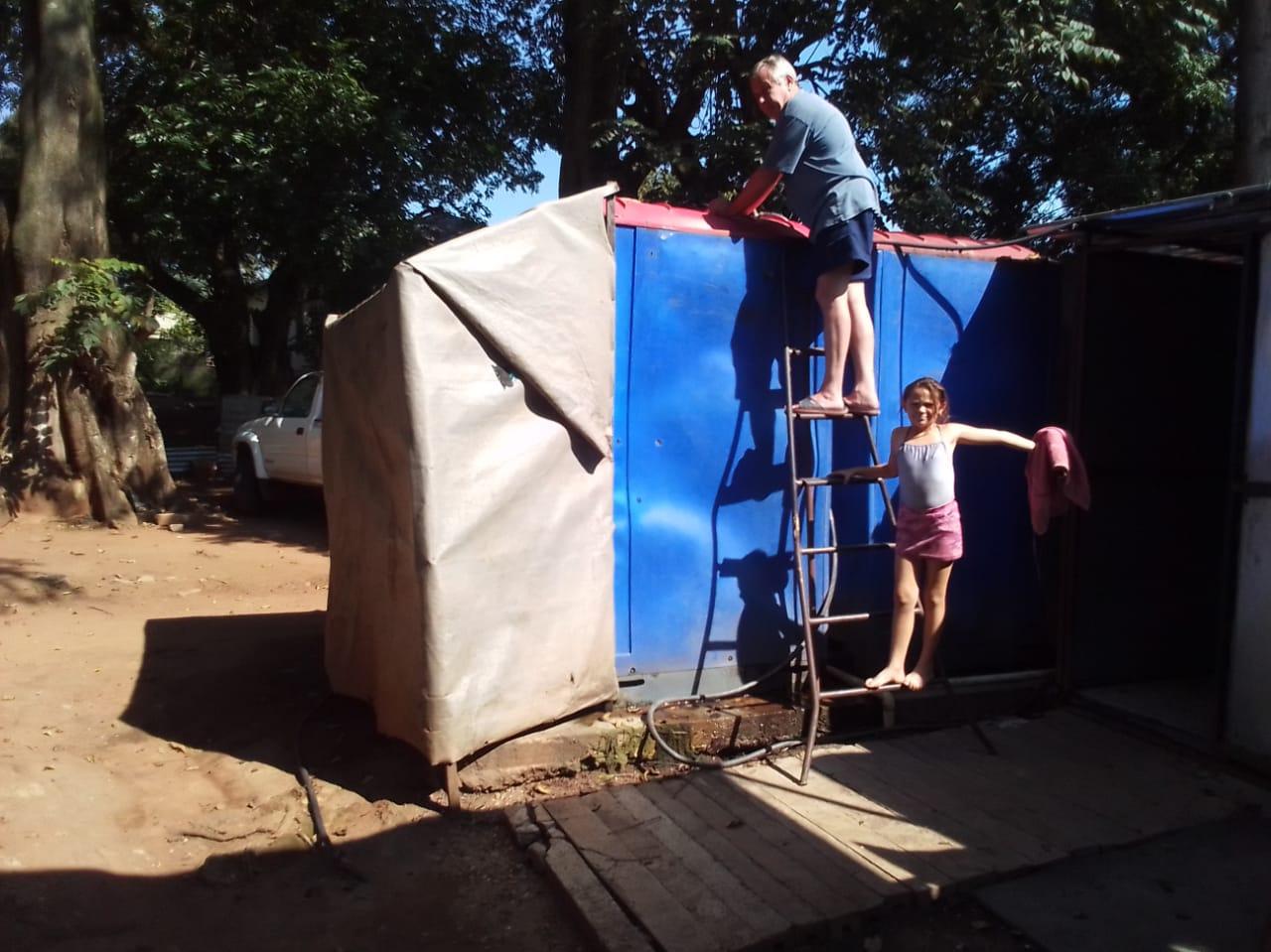
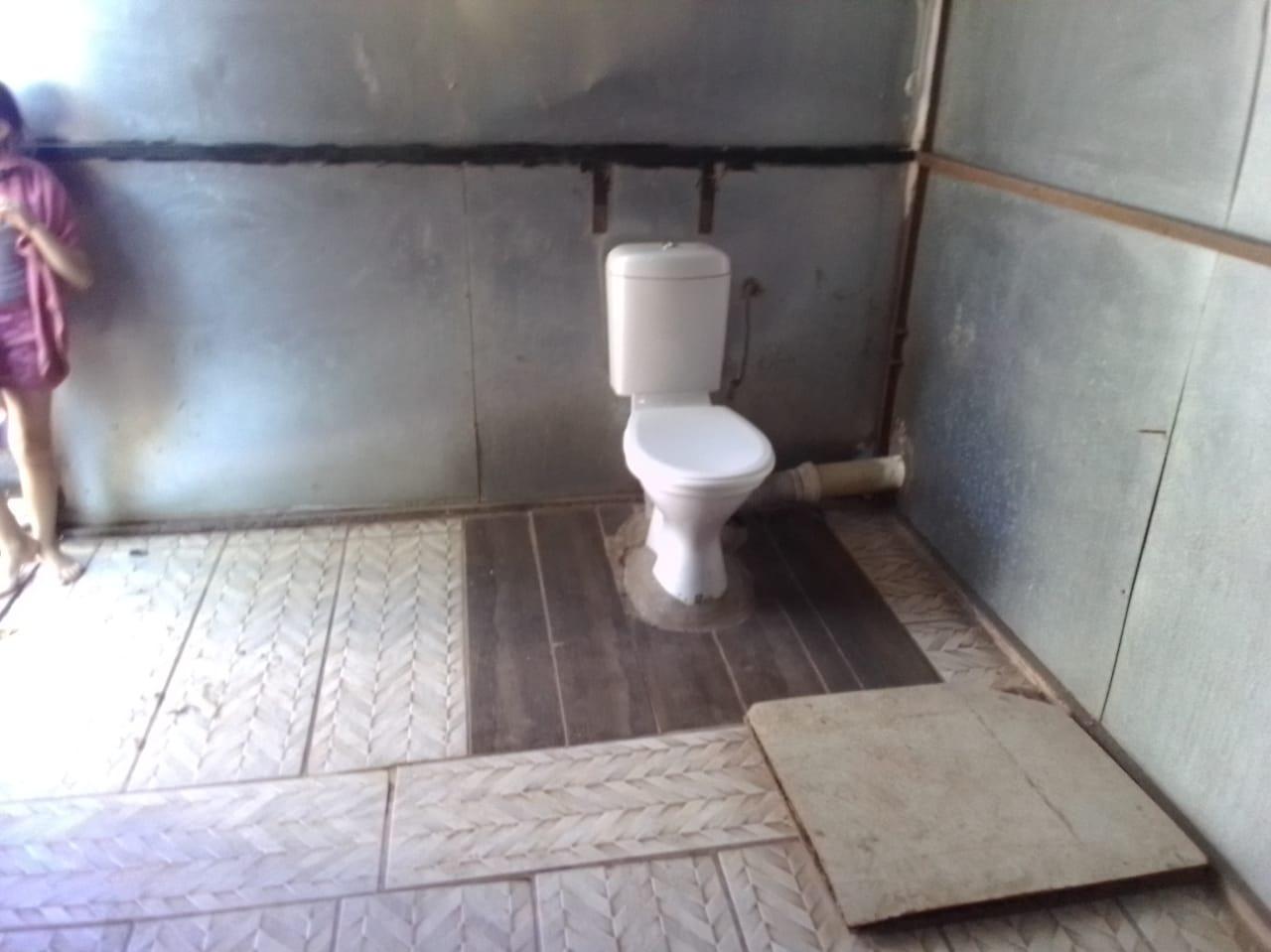
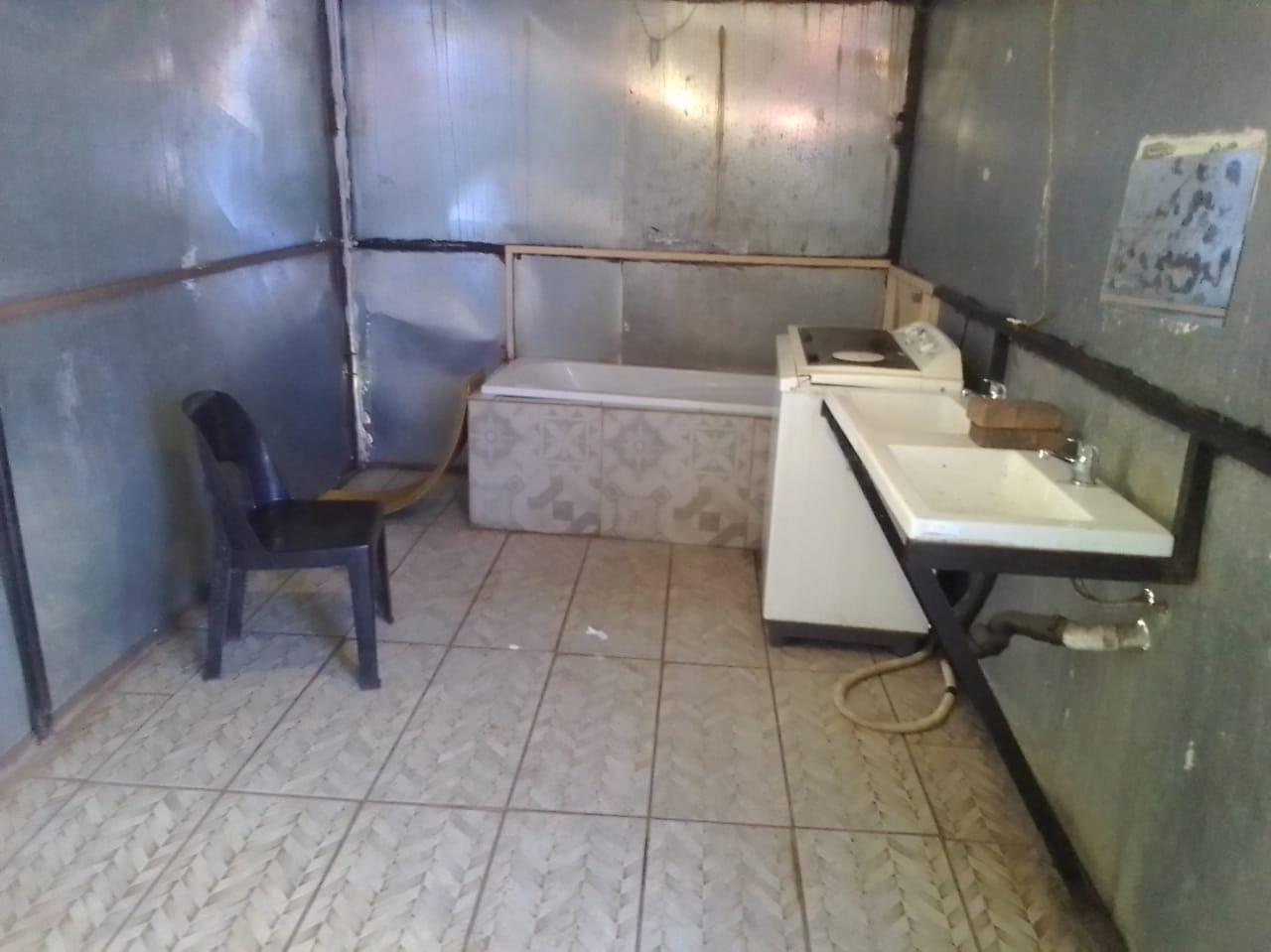
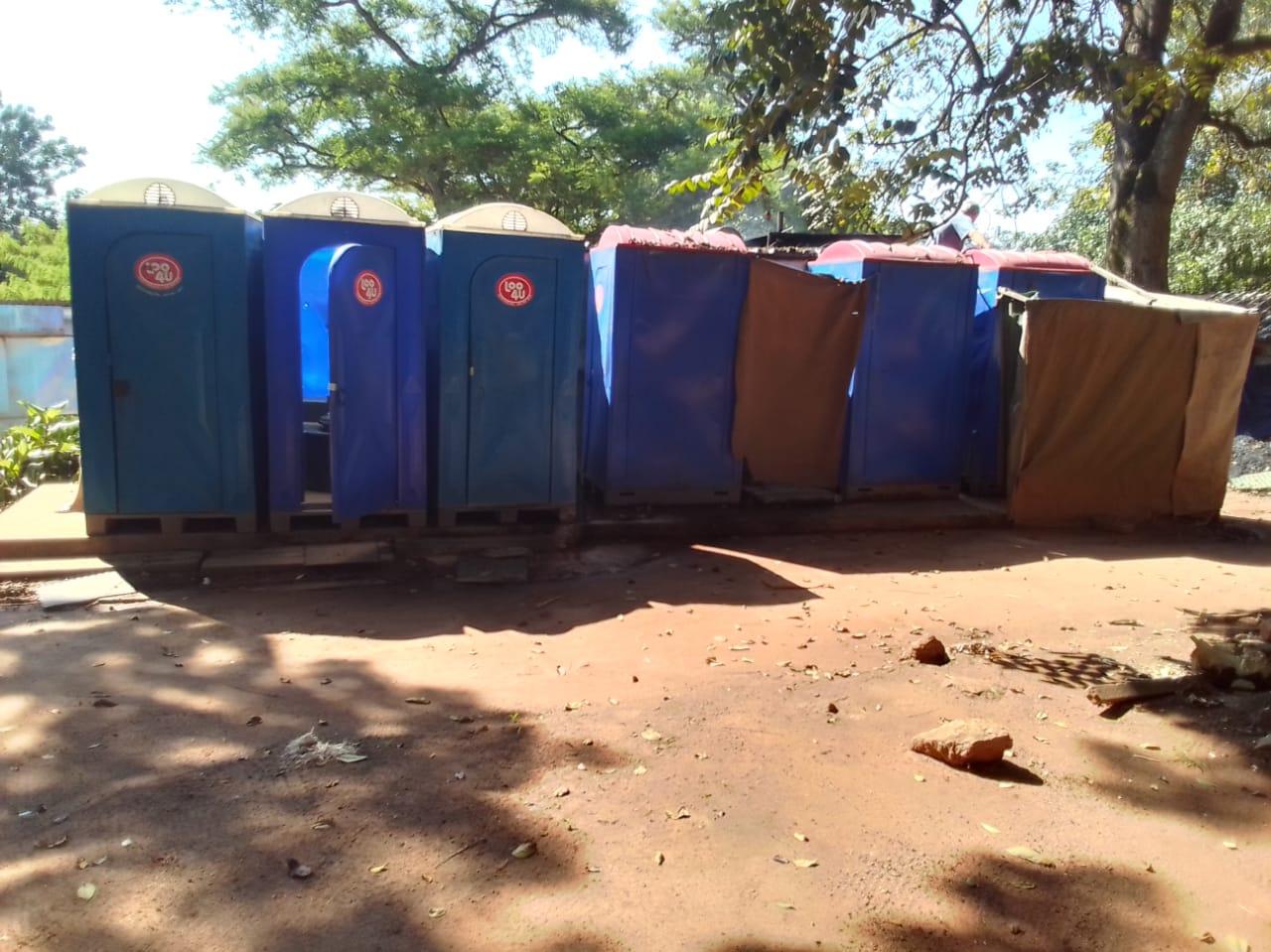
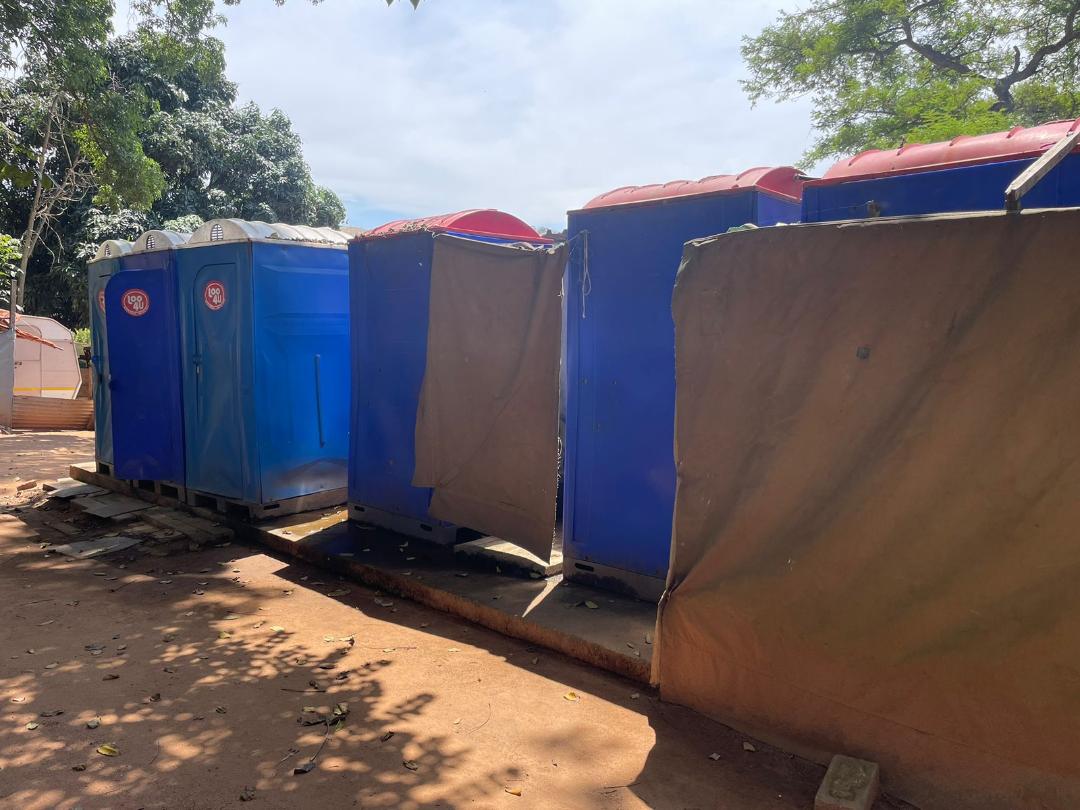
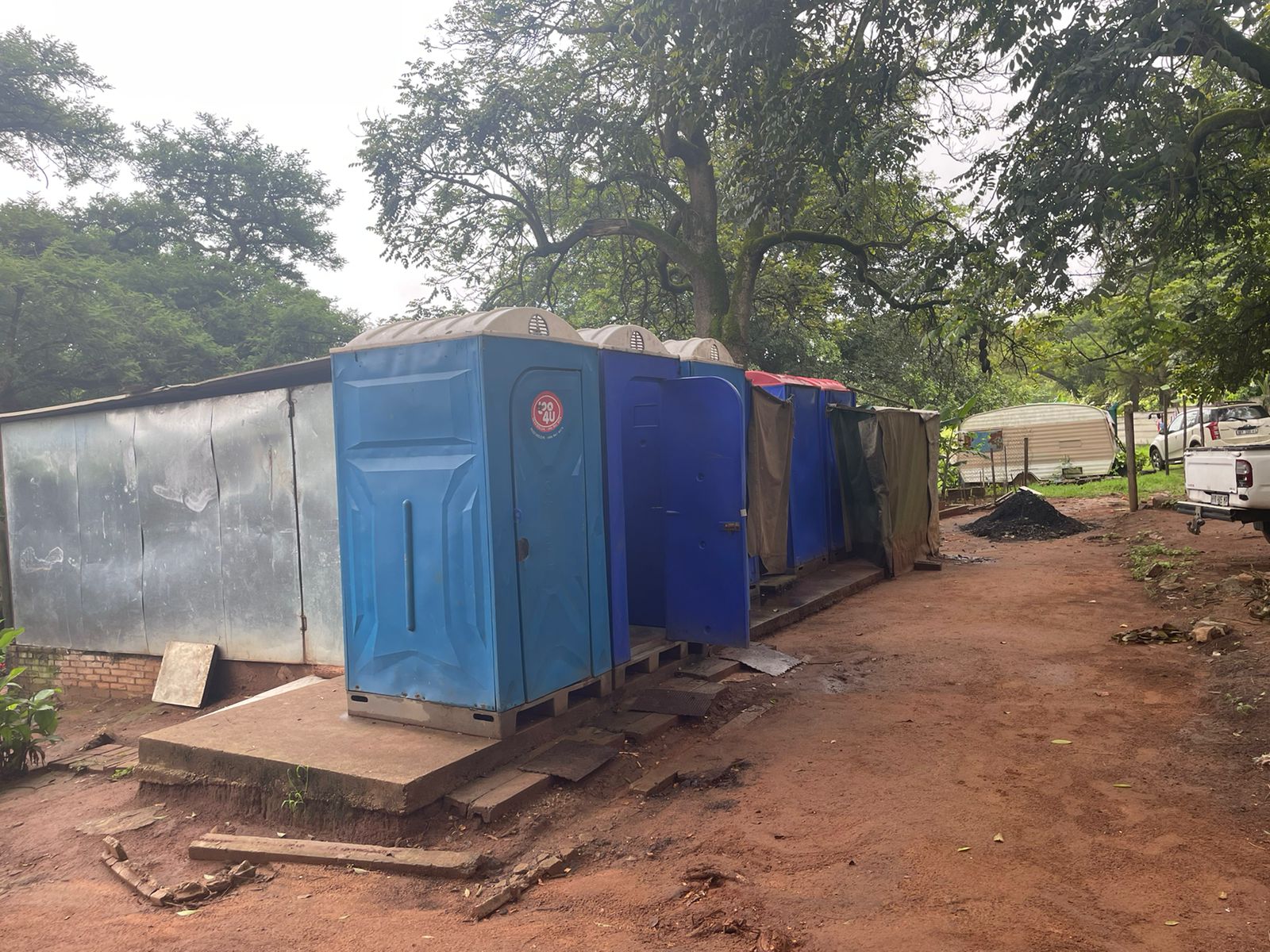
S4A builds clean, secure, gender-appropriate ablution facilities to provide safe toilets, showers, and handwashing for homeless people. These restore dignity, reduce disease, harassment, and humiliation, while enabling school attendance, job-seeking, and better health. Container units, though costlier upfront, offer superior durability, security, weather resistance, and long-term sustainability.
S4A Builds Decent Kitchens
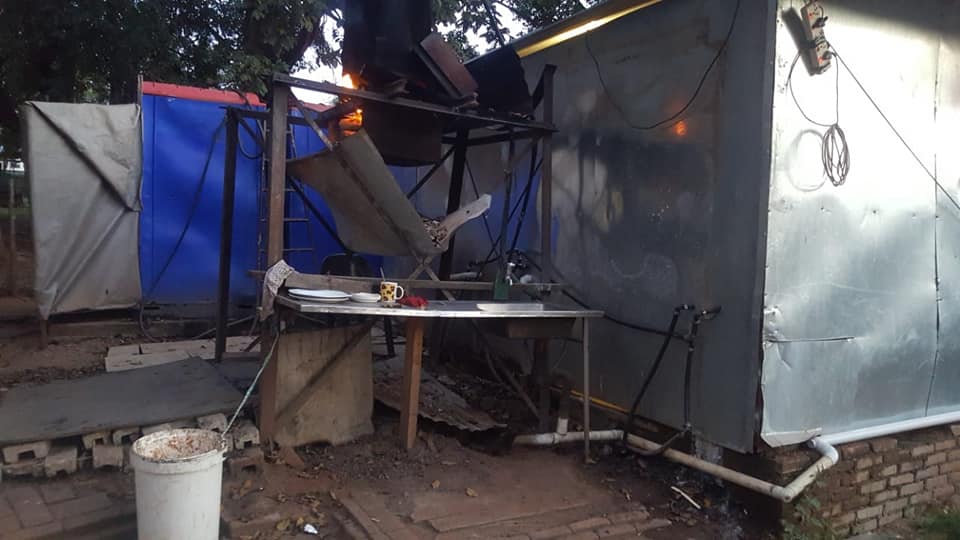
S4A builds modern, safe, smokeless kitchens to replace hazardous, smoke-filled ones in homeless centres, protecting health from respiratory illness and fire risks. These enable nutritious meals for 180 on-site residents daily and 150 community food parcels, while serving as training hubs for culinary skills, empowering youth and creating employment opportunities.
Education
Education projects
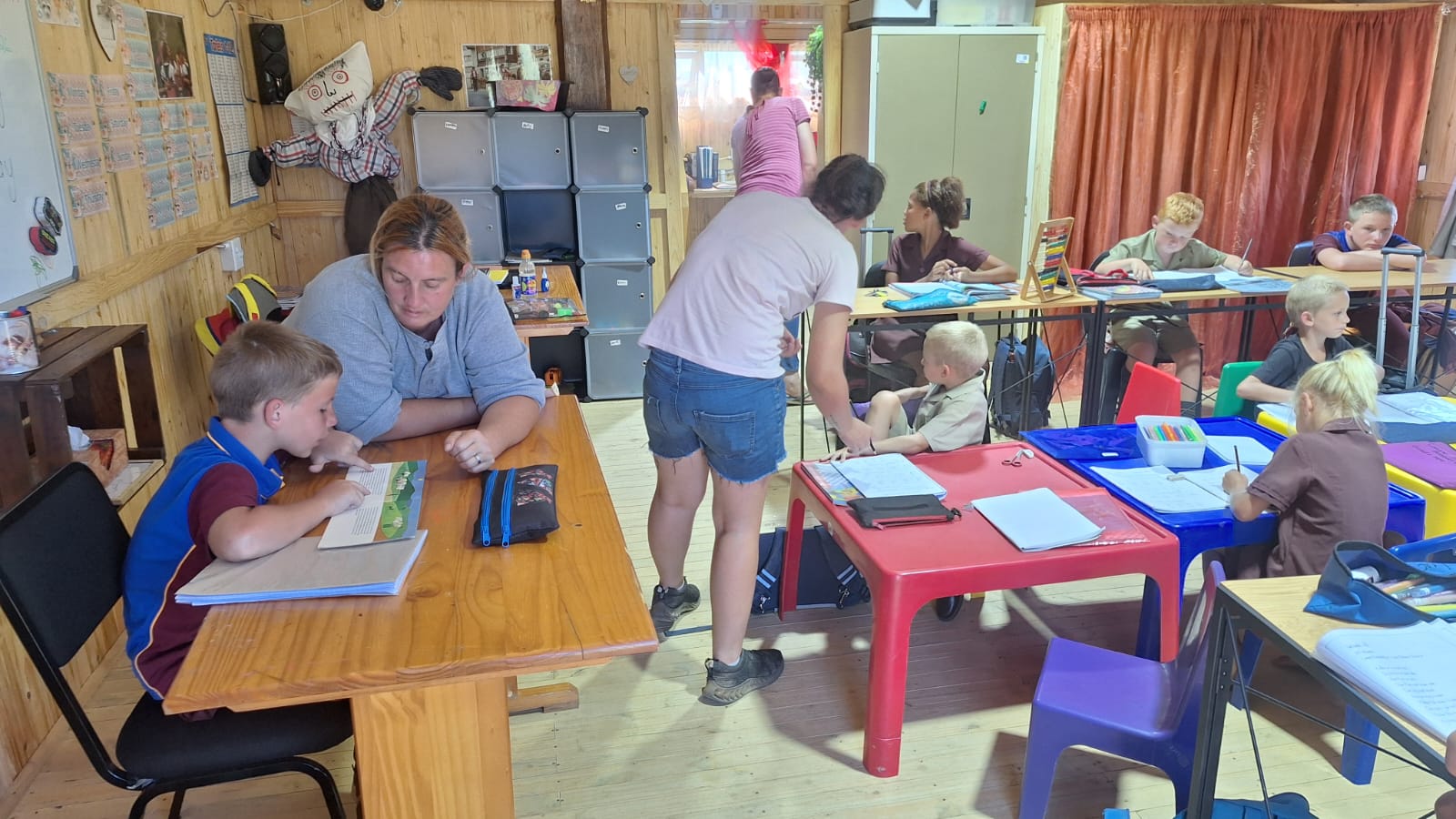
S4A’s education projects in South Africa tackle poverty by supporting learning across all ages. Early Childhood Development provides safe, stimulating foundations. Stay in School initiatives supply meals, uniforms, and stable homes to prevent dropouts. Back to School programs re-engage excluded children, while adult vocational training in literacy, life skills, and jobs boosts employability and family stability.
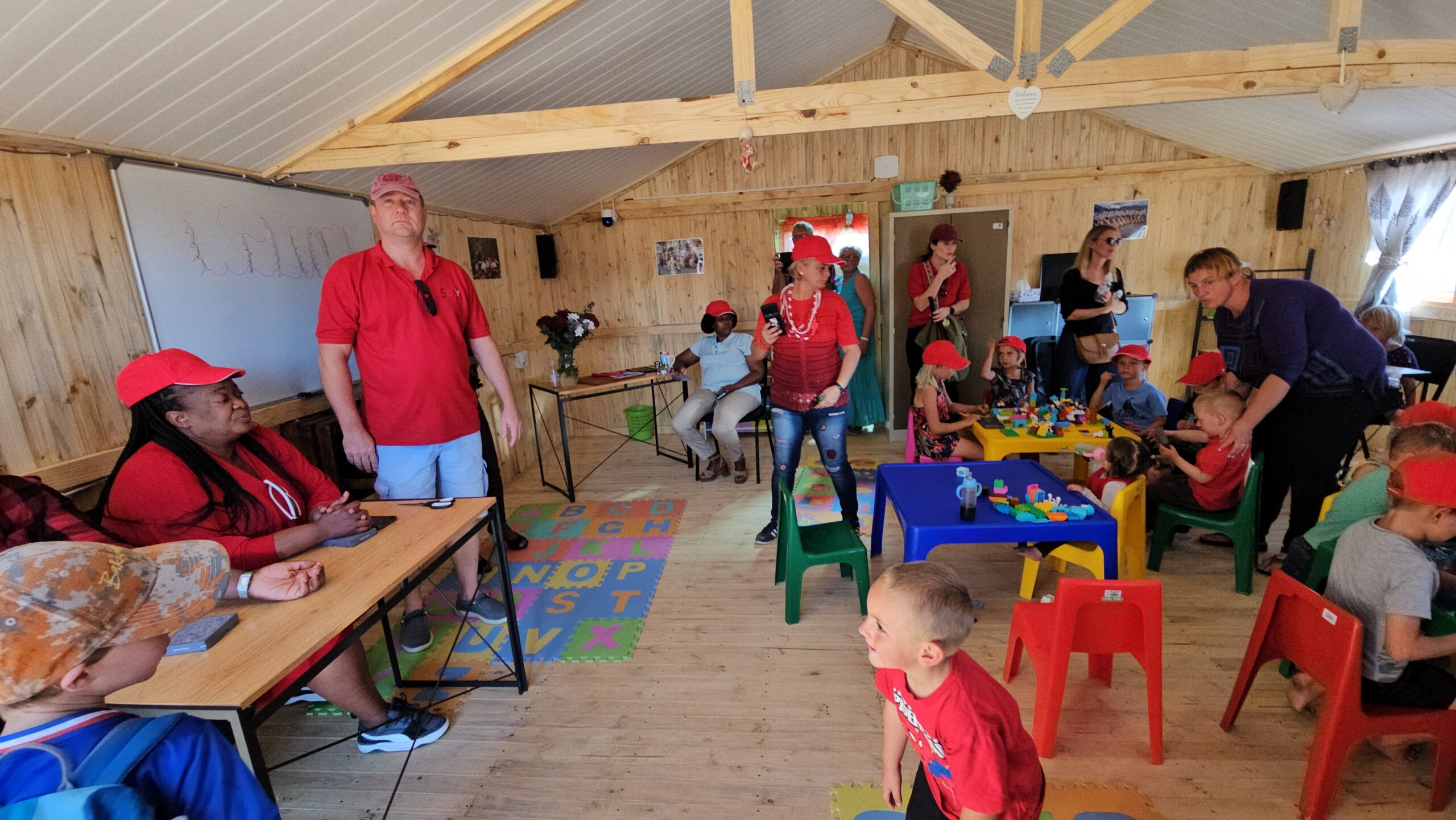
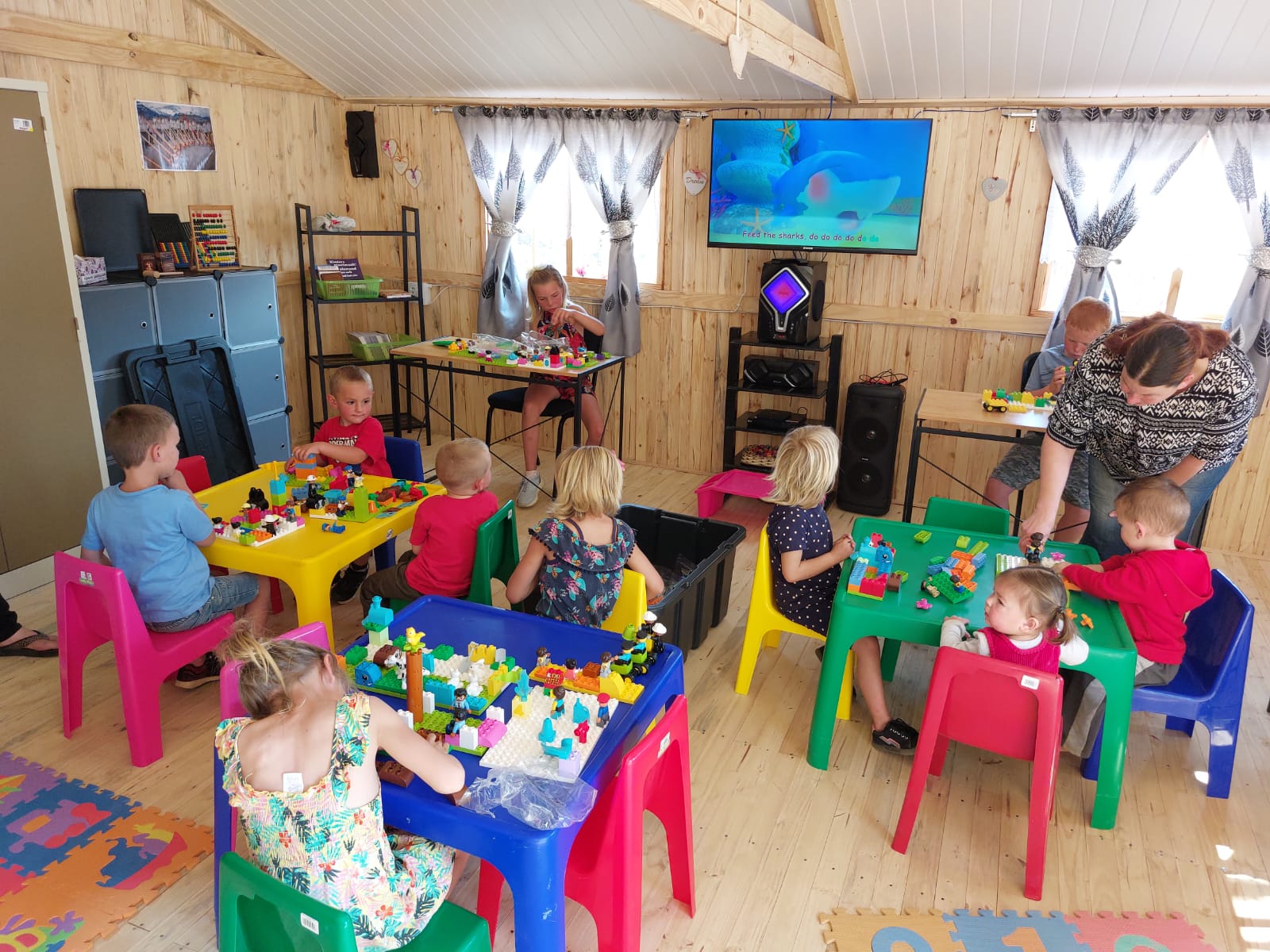
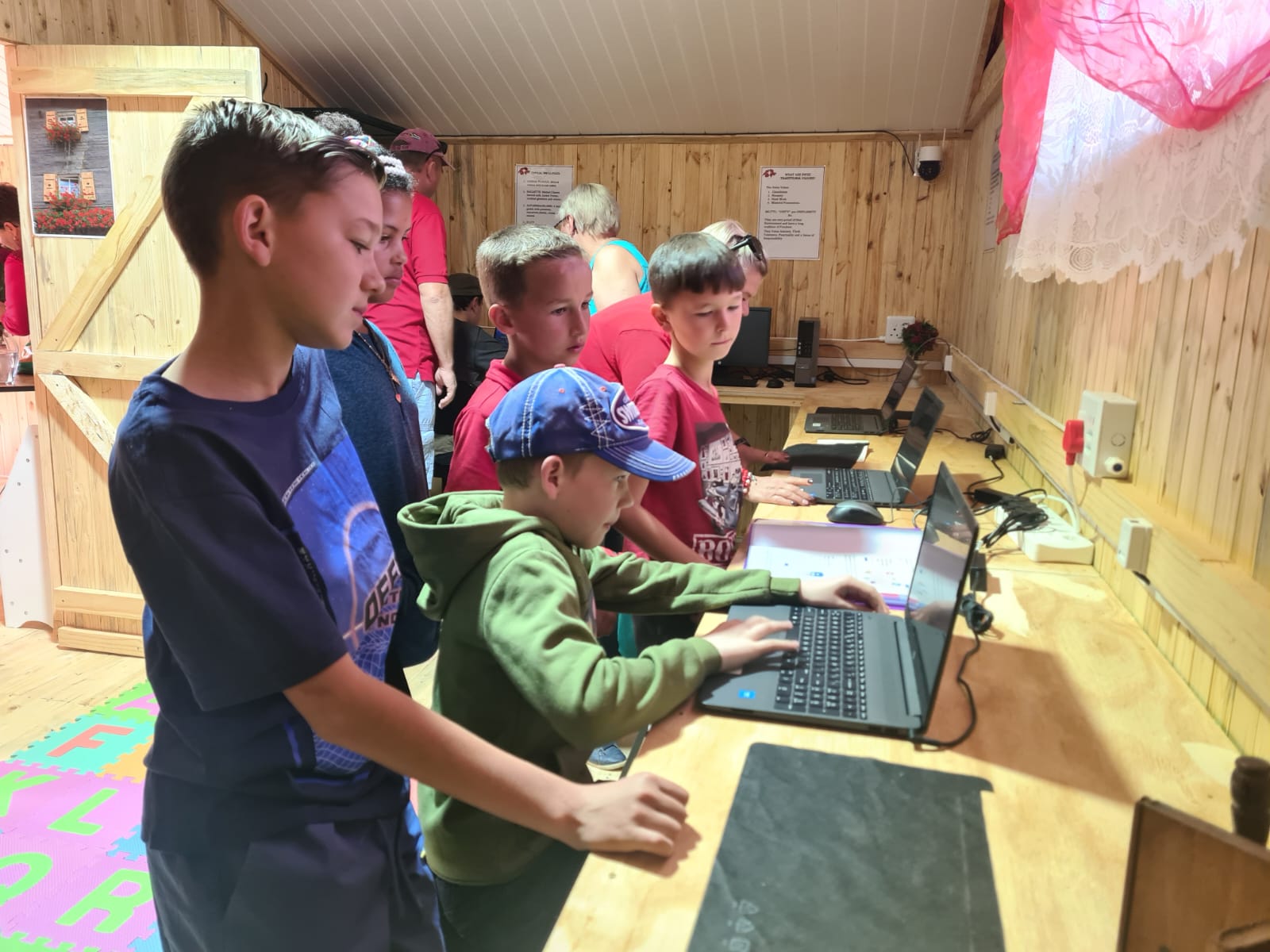
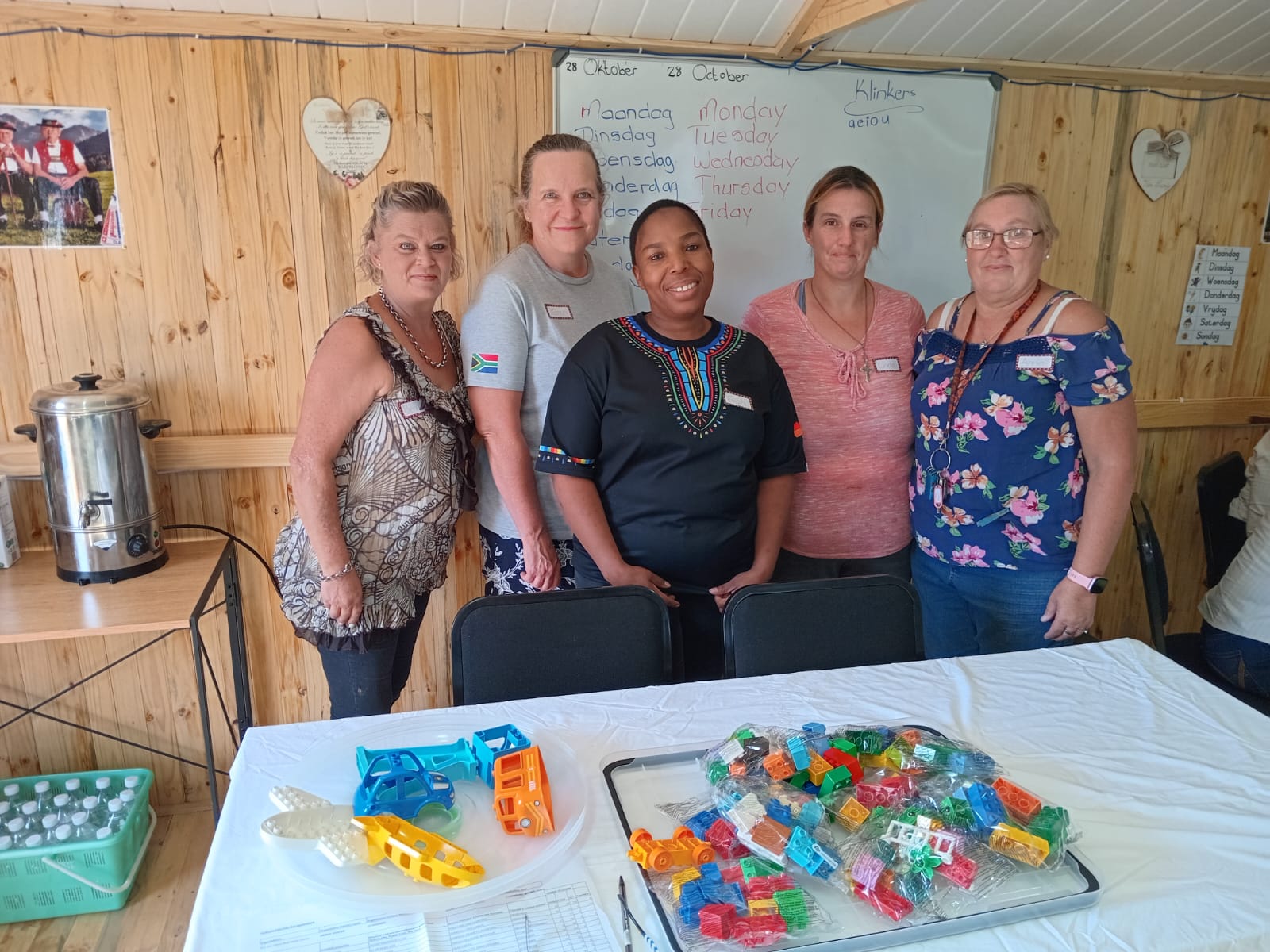
Early Childhood Development(ECD)
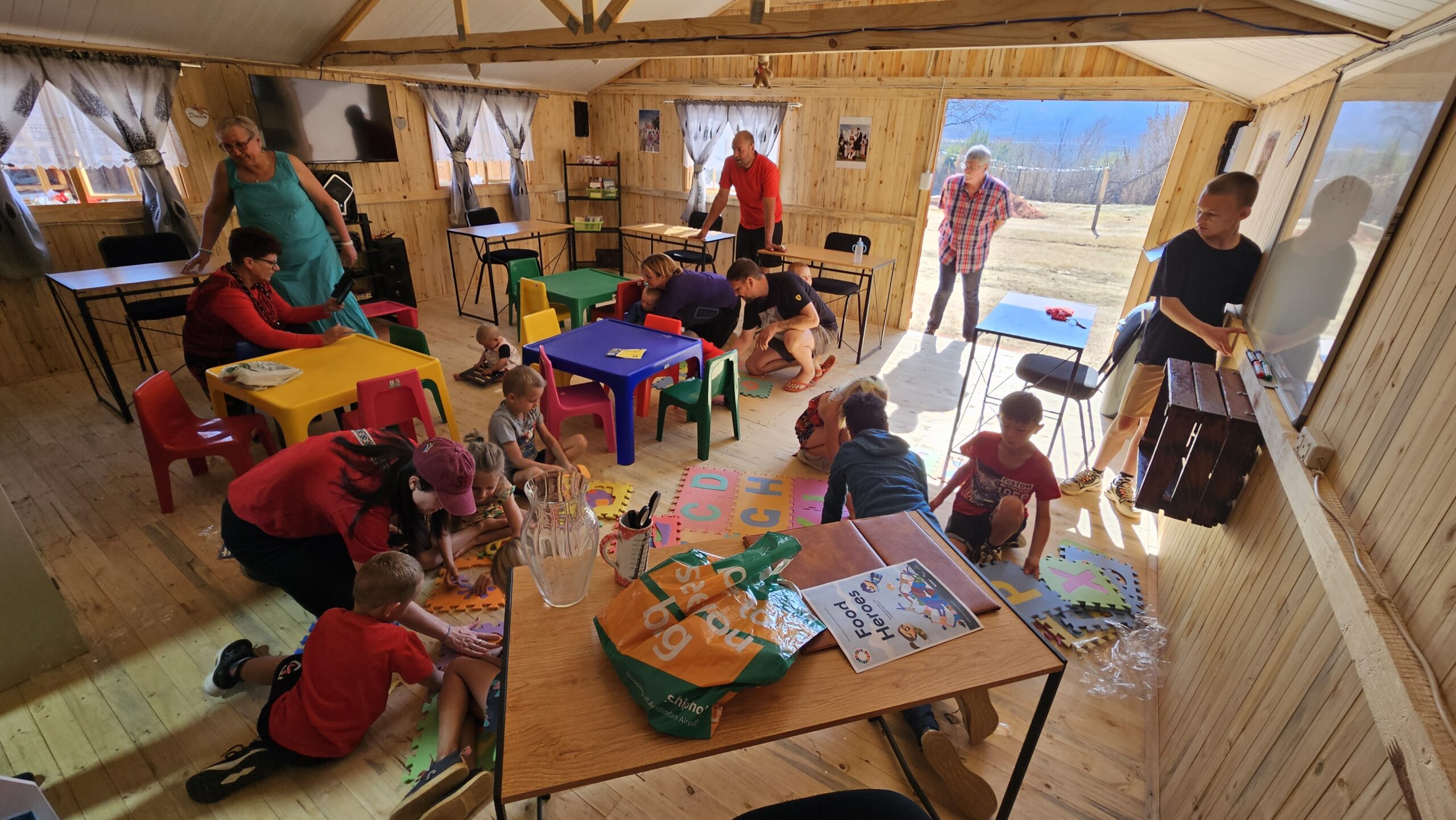
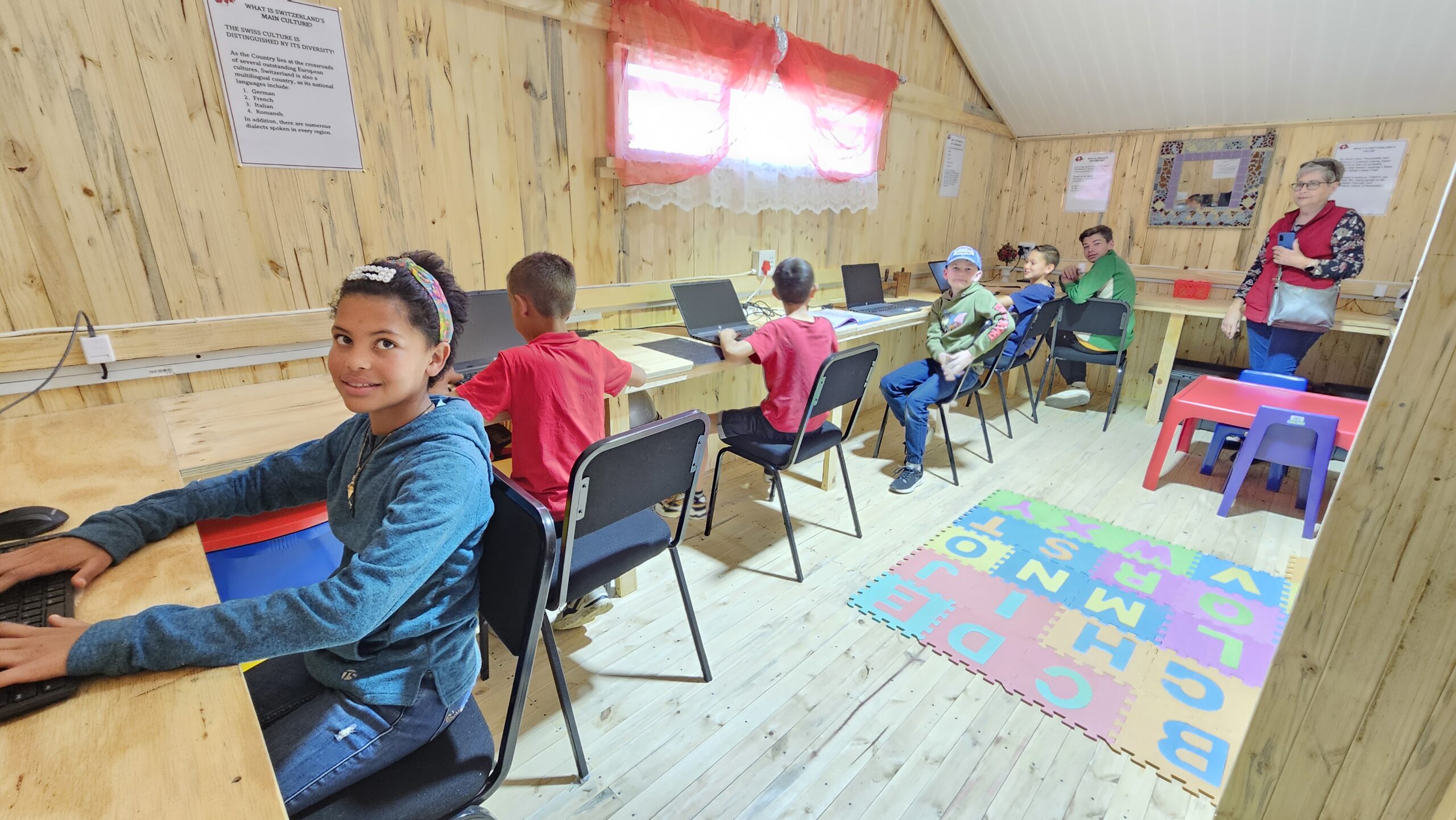
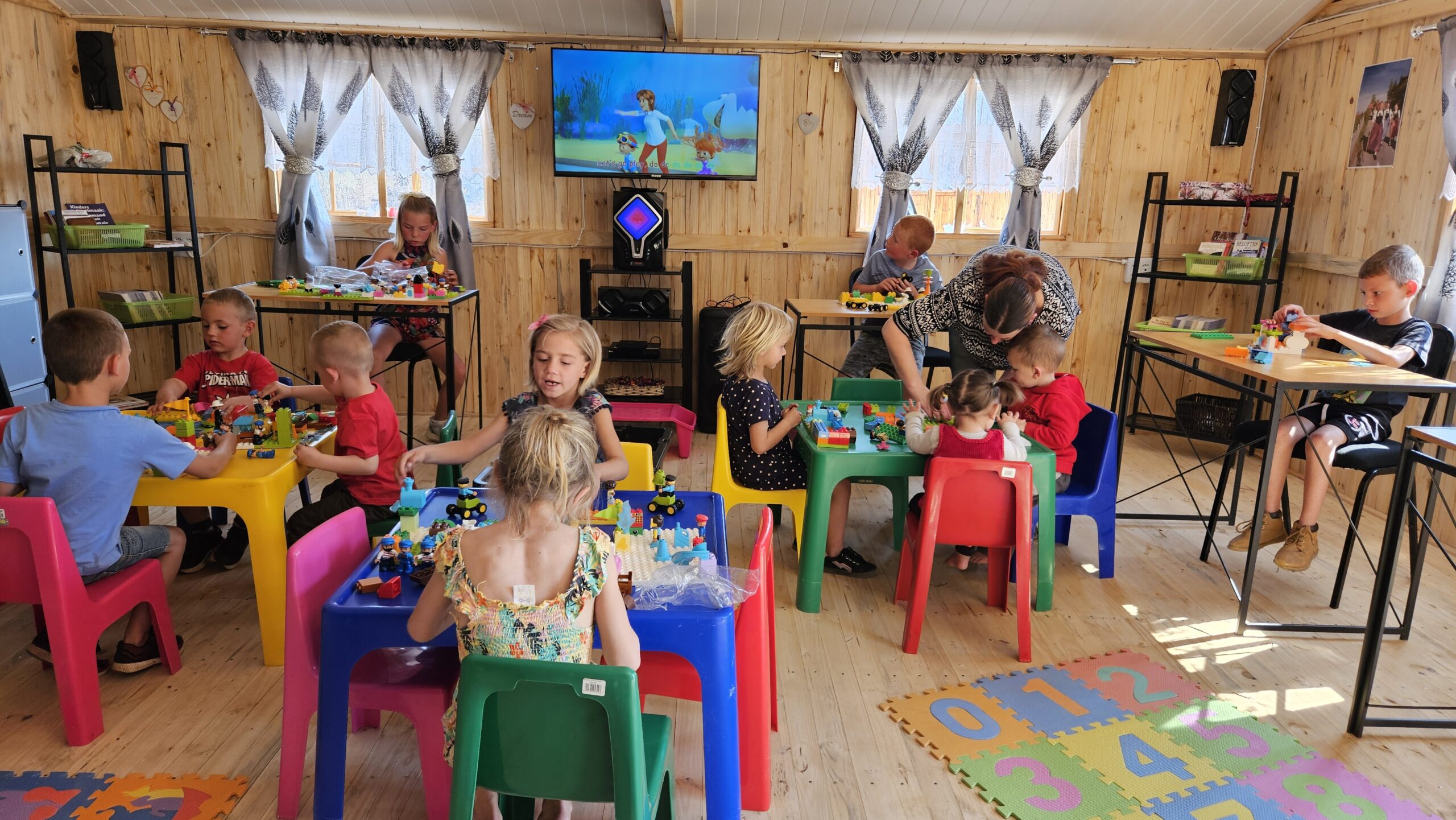
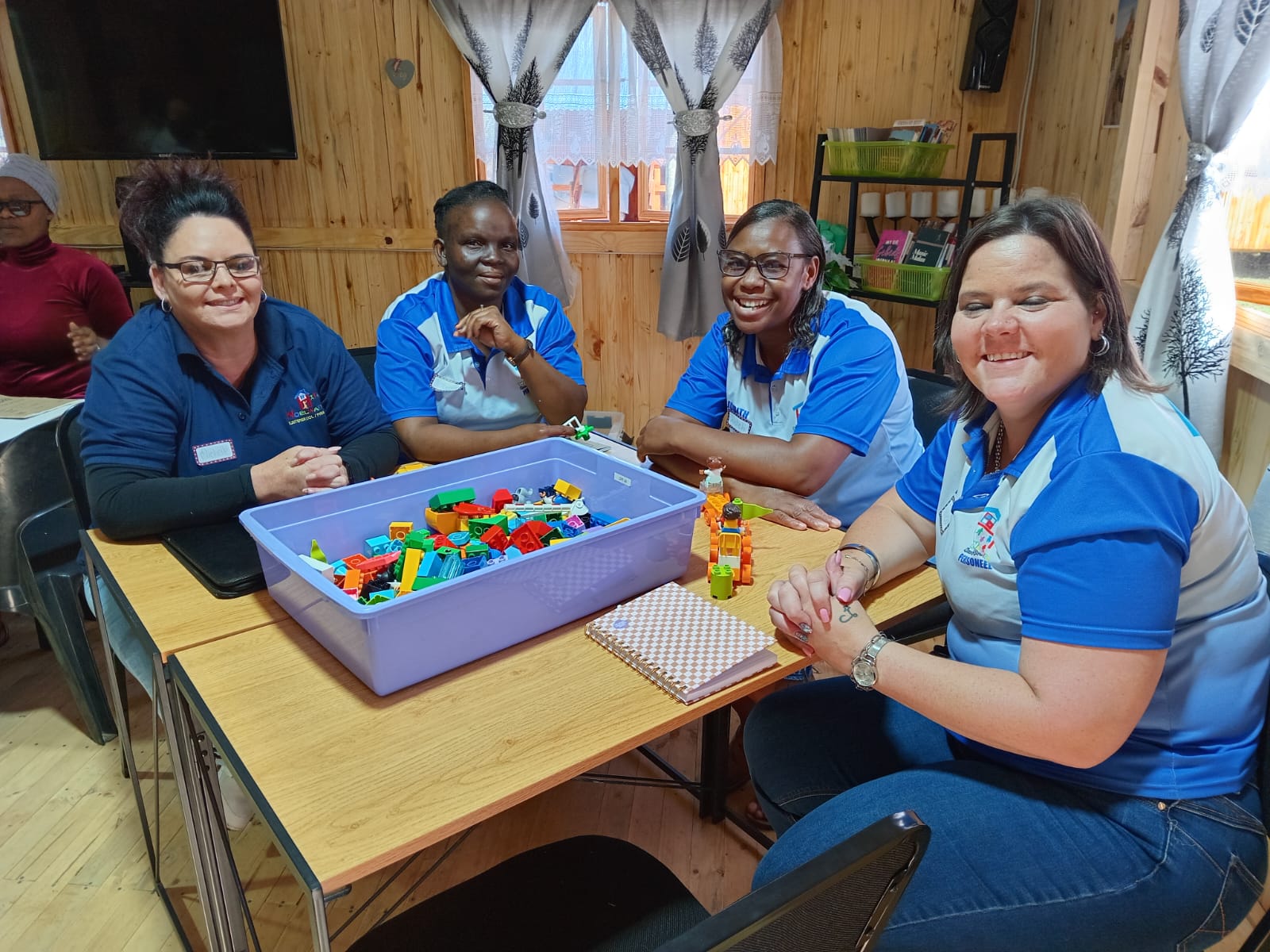
S4A's Early Childhood Development programme, supported by the Swiss Embassy, partners with rural ECD centres to give vulnerable children a strong start. Through SIX Bricks training, teachers gain low-cost, play-based tools that build motor skills, numeracy, literacy, problem-solving, and social abilities, laying lifelong foundations for learning, school success, and breaking poverty cycles.
Back to School
S4A recognizes that many young people in South Africa drop out of school due to social, economic, and personal challenges. To combat this, S4A partners with Impaq Homeschool and Optimi College, offering flexible learning pathways that help dropouts return to education and stay engaged. These alternative options provide a second chance for learners struggling in traditional schools, ensuring vulnerable youth are not abandoned. By supporting completion of education, S4A builds strong foundations for stable, independent futures among these young people.
Stay in School
S4A views education as the most powerful, sustainable tool to break poverty's cycle. It empowers children with knowledge, confidence, and lasting opportunities that charity alone cannot offer. Kids in homelessness or extreme poverty face constant learning disruptions, so S4A supports parents and shelters to keep them in school. This involves stabilizing homes, meeting basic needs, and collaborating with caregivers and educators to eliminate attendance barriers. By helping children remain enrolled and empowering parents to prioritize education, S4A drives enduring change, uplifting entire families and future generations for good.
Adult Education
S4A believes it is essential to assist adults to educate themselves because
poverty cannot be broken if parents and caregivers remain excluded from learning
and employment opportunities. Many homeless and unemployed adults were denied
education earlier in life, leaving them trapped in low-skilled or informal work. By
encouraging and supporting adults to enrol in online and hands-on courses, S4A
helps them gain practical skills, confidence, and recognised competencies. Adult
education not only improves employability but also empowers individuals to support
their families, model the value of learning to their children, and build sustainable
pathways out of poverty.
Skills-based Education
Skills-based education is critical because it equips people with practical, job-ready
abilities that lead directly to employment and income, rather than relying solely on
academic pathways. For homeless and unemployed individuals, skills training offers
a realistic and immediate route out of poverty by matching learning to real labour
market needs. S4A assists beneficiaries to enrol in skills education courses and
provides financial support to remove cost barriers such as course fees, materials,
and basic requirements. By investing in skills education, S4A empowers
individuals to secure work, support their families, and regain dignity and
independence.
Self-sustainability
Self-Sustainable Garden
Most homeless shelters have gardens. We prioritize transforming them into high-yield, self-sufficient plots with shelter management. These gardens provide fresh nutritious food, cut costs and donation reliance, teach vocational skills, offer therapy, build routine and purpose, foster community bonds across diverse groups, restore dignity, create small income from surplus, reduce waste, and promote long-term independence and resilience.
Snail farming
This project establishes a large-scale snail farm in South Africa with 300,000 Helix Aspersa Maxima snails. It produces meat for consumption, slime for cosmetics and medicine, plus eggs and shells as by-products. Leveraging ideal climate and rising global demand, it targets restaurants, skincare brands, and pharmacies.
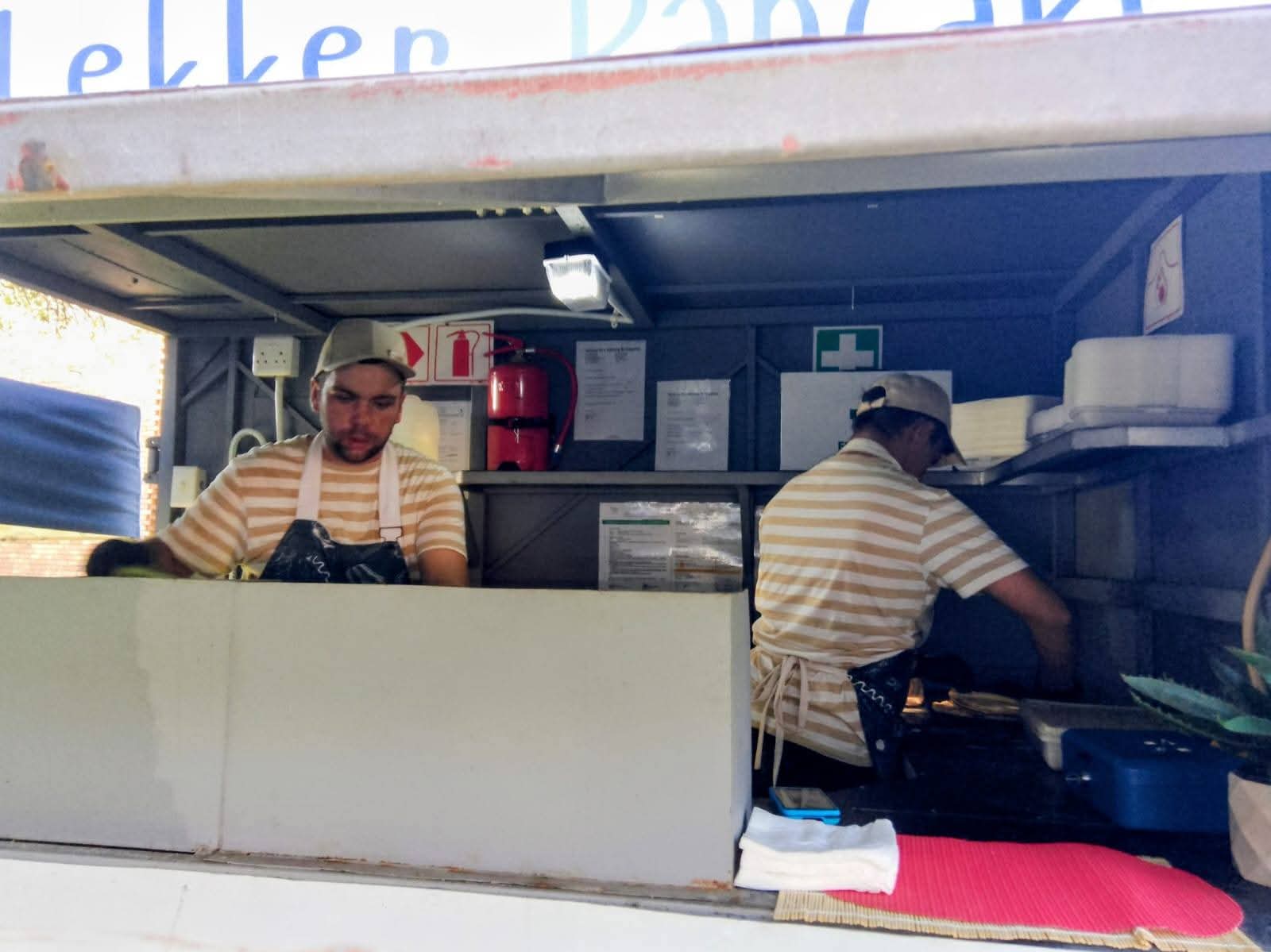
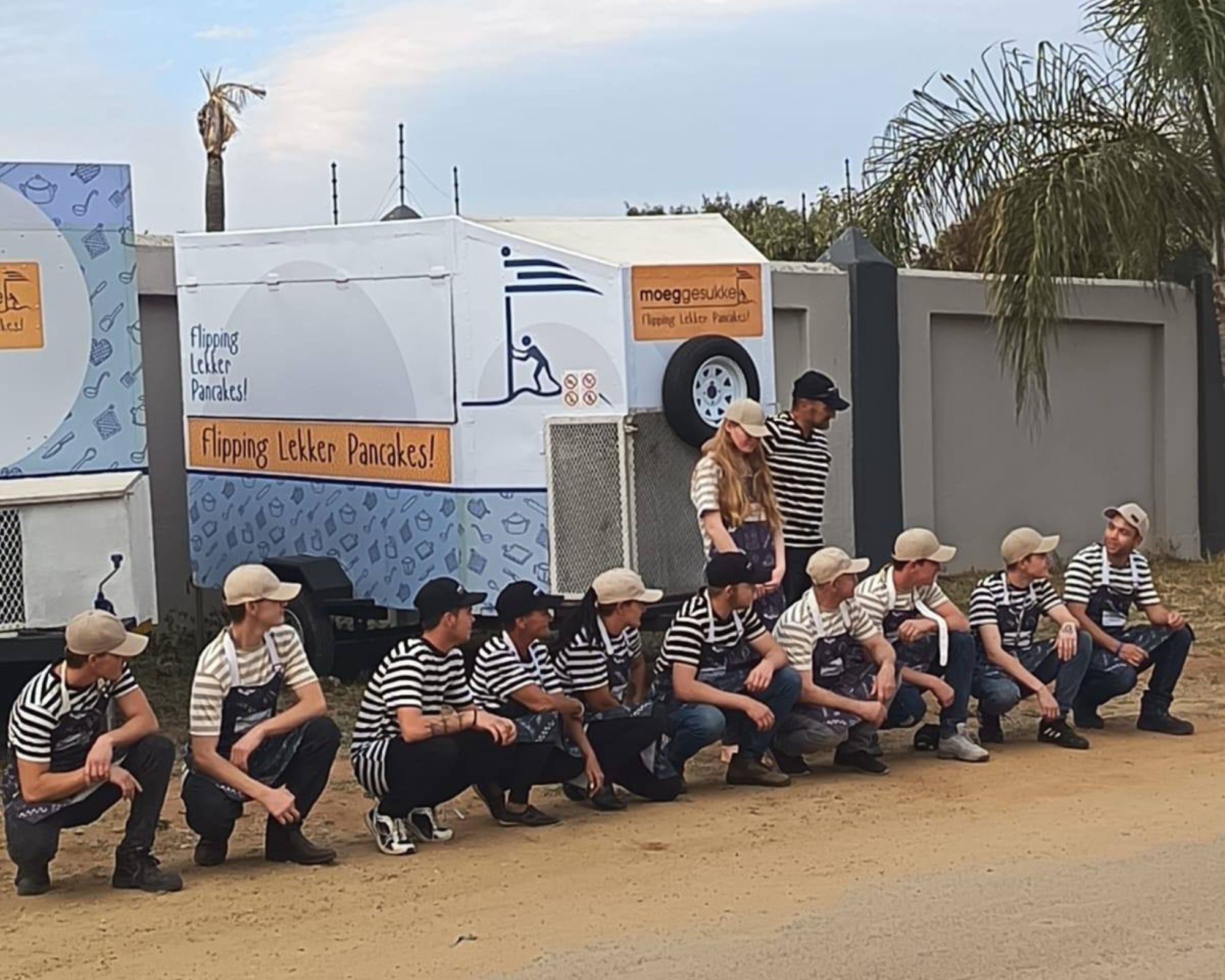
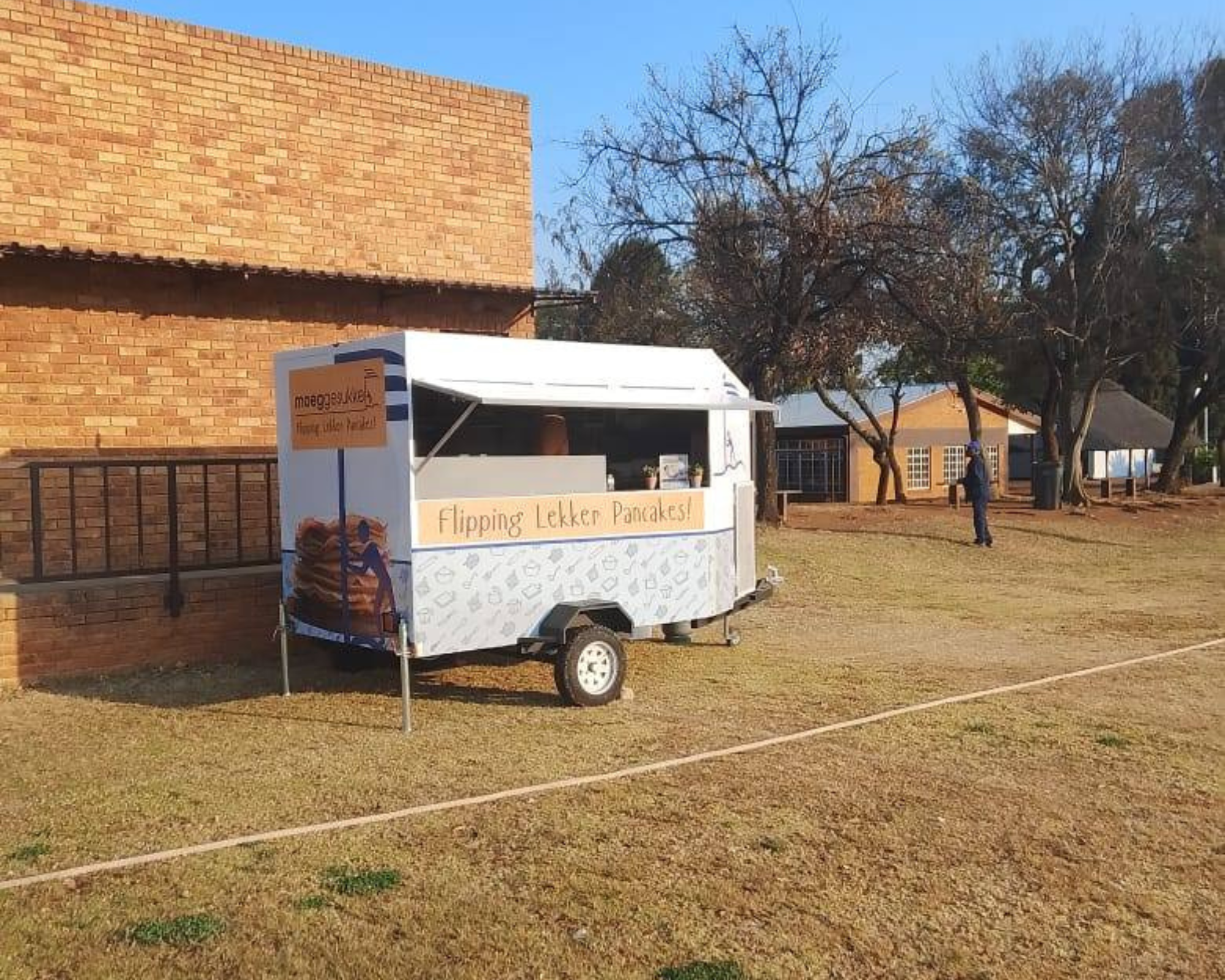
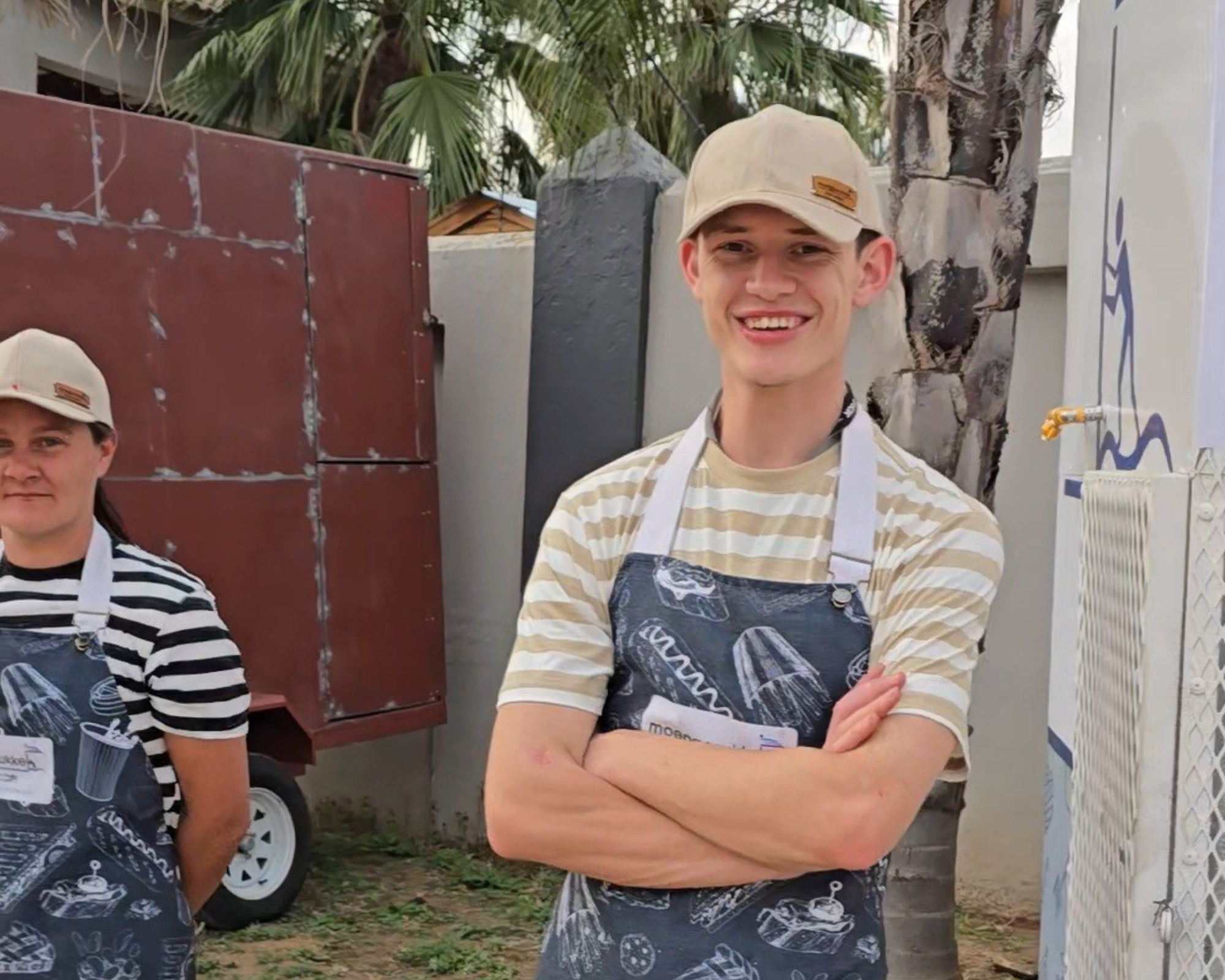
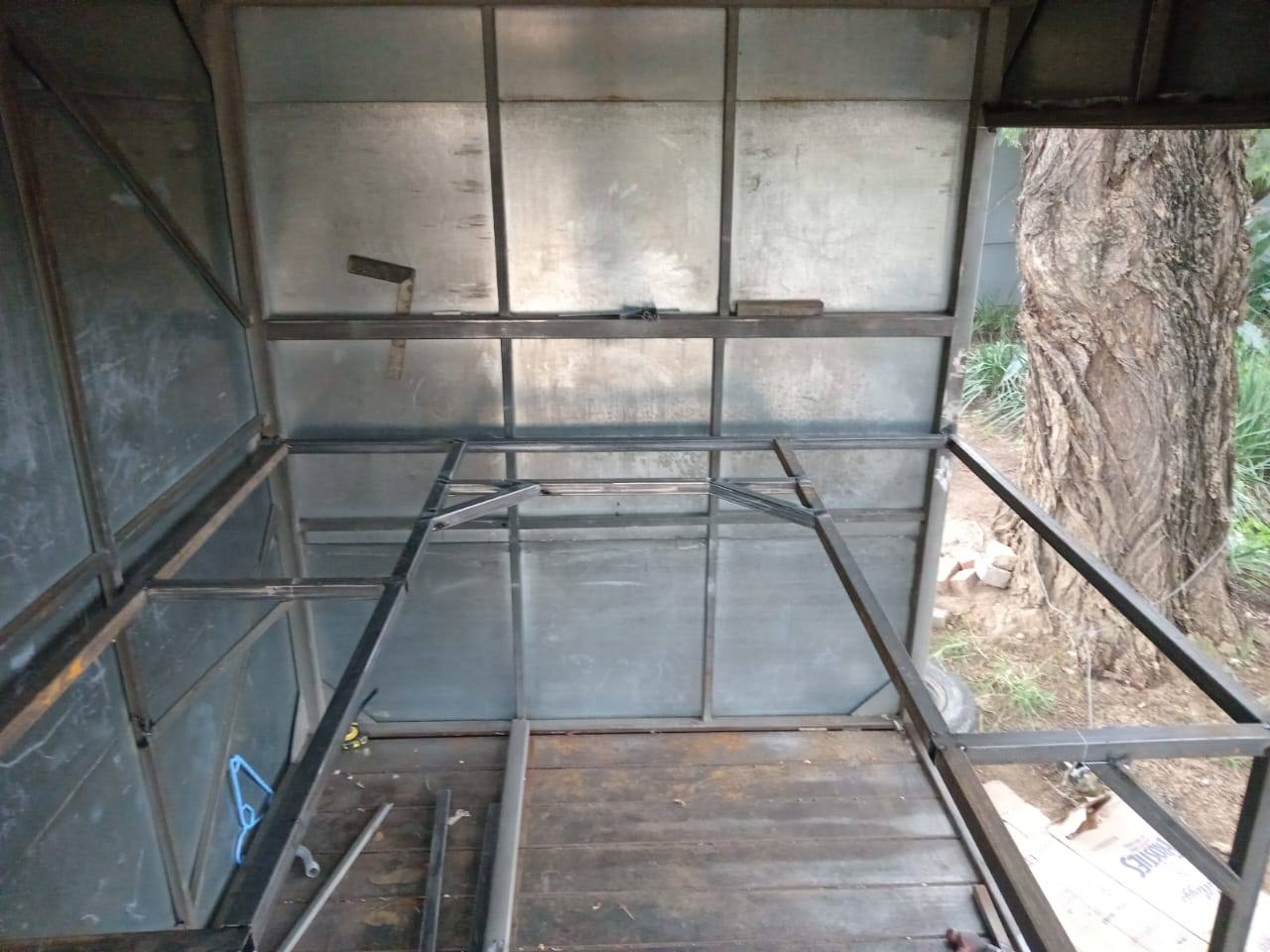
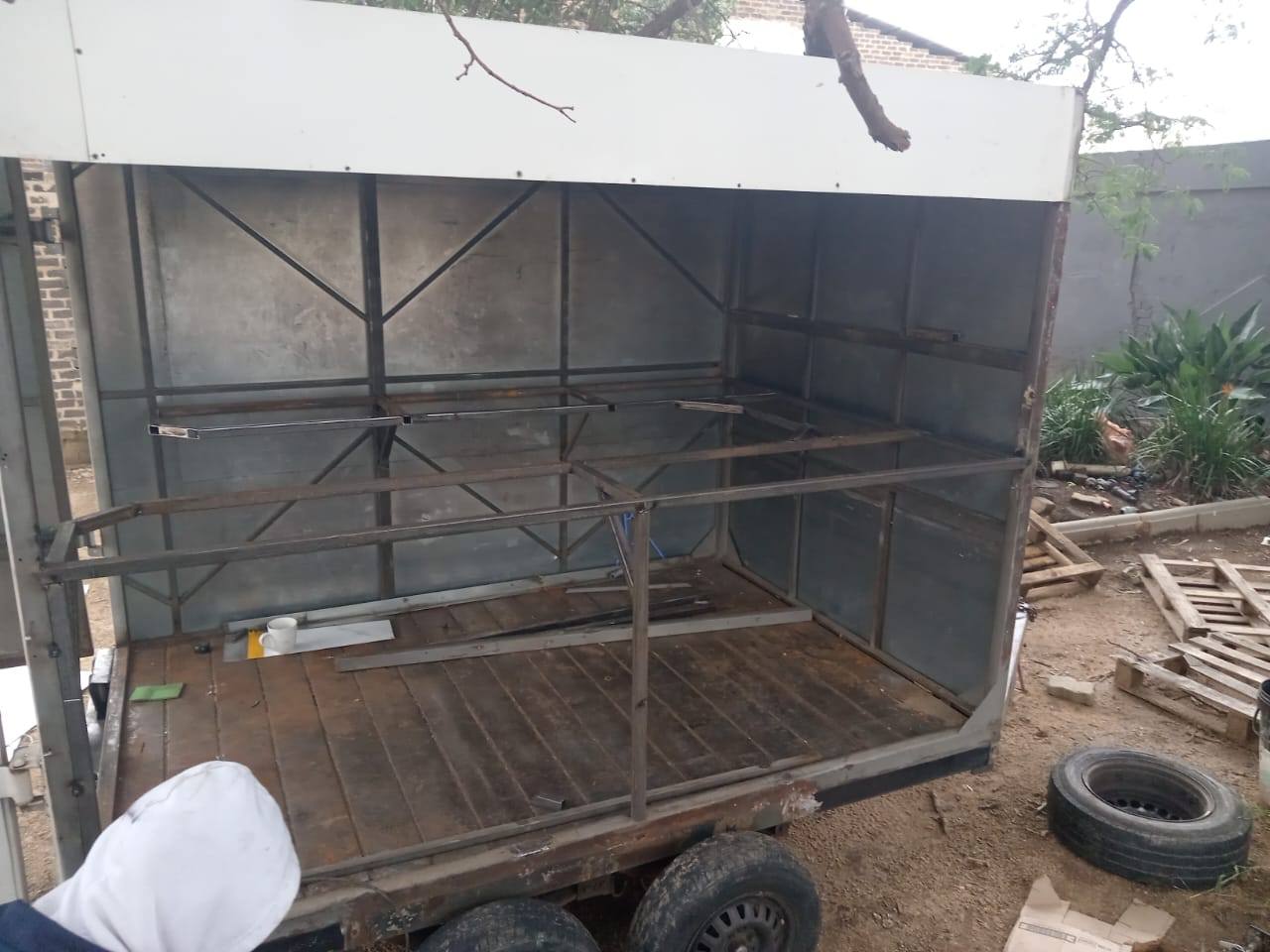
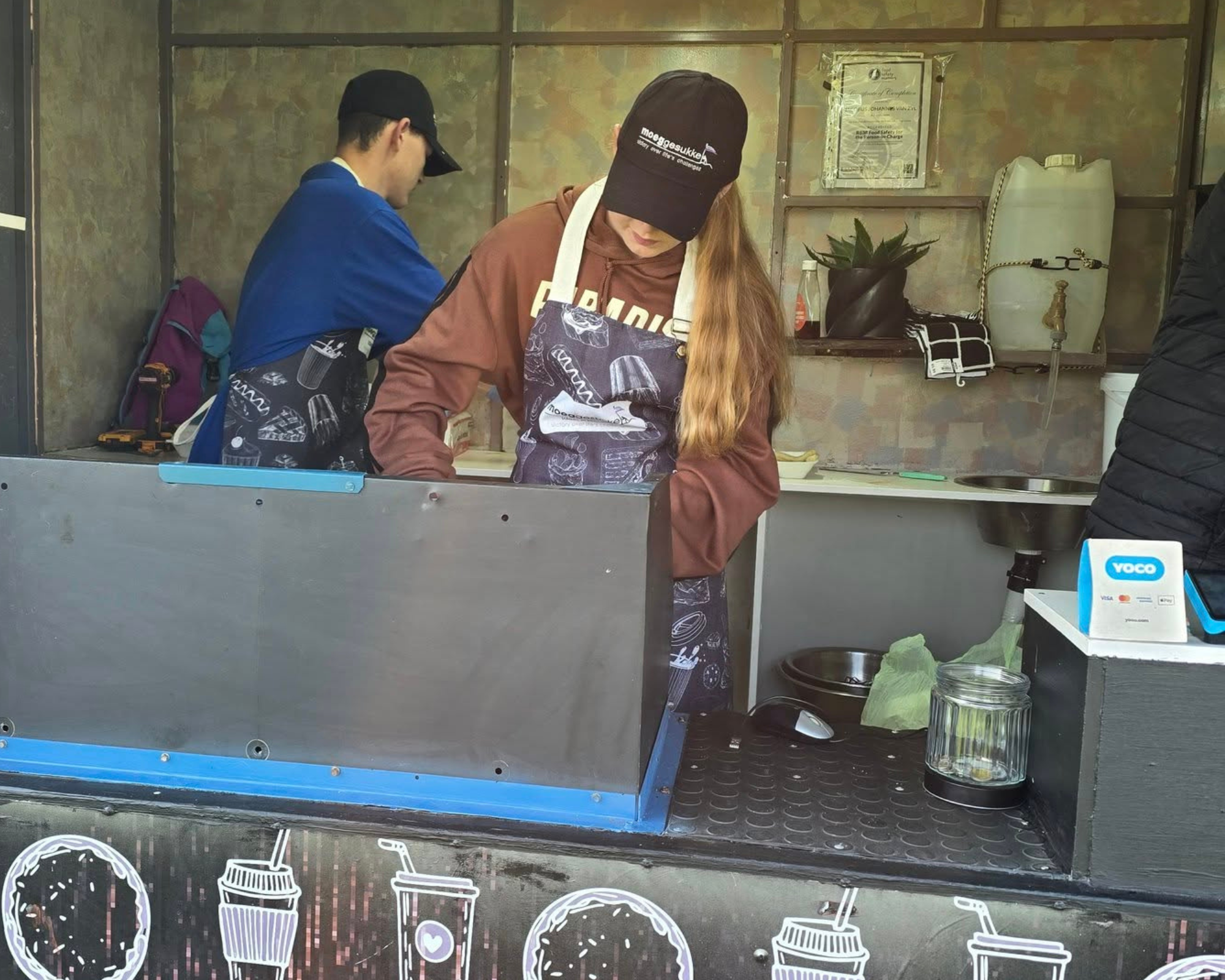
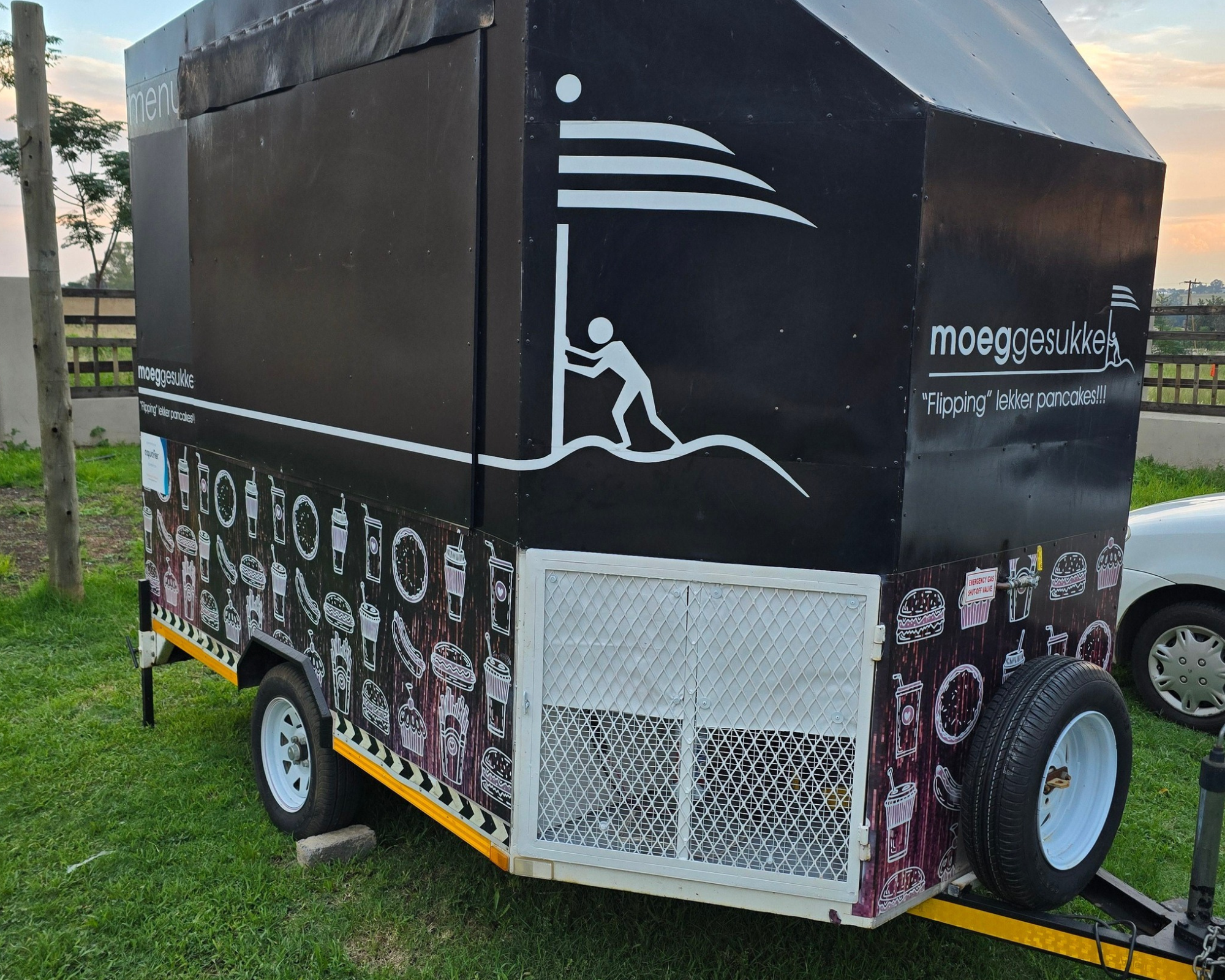
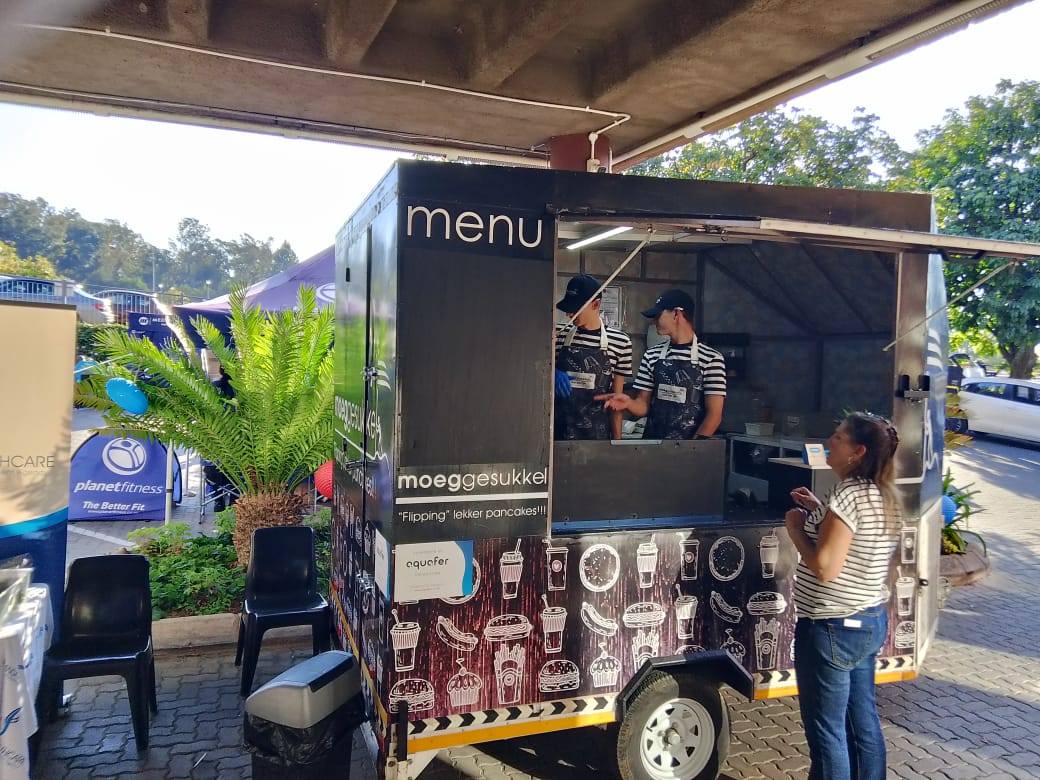
Pancake (Crepe) Trucks/Trailers
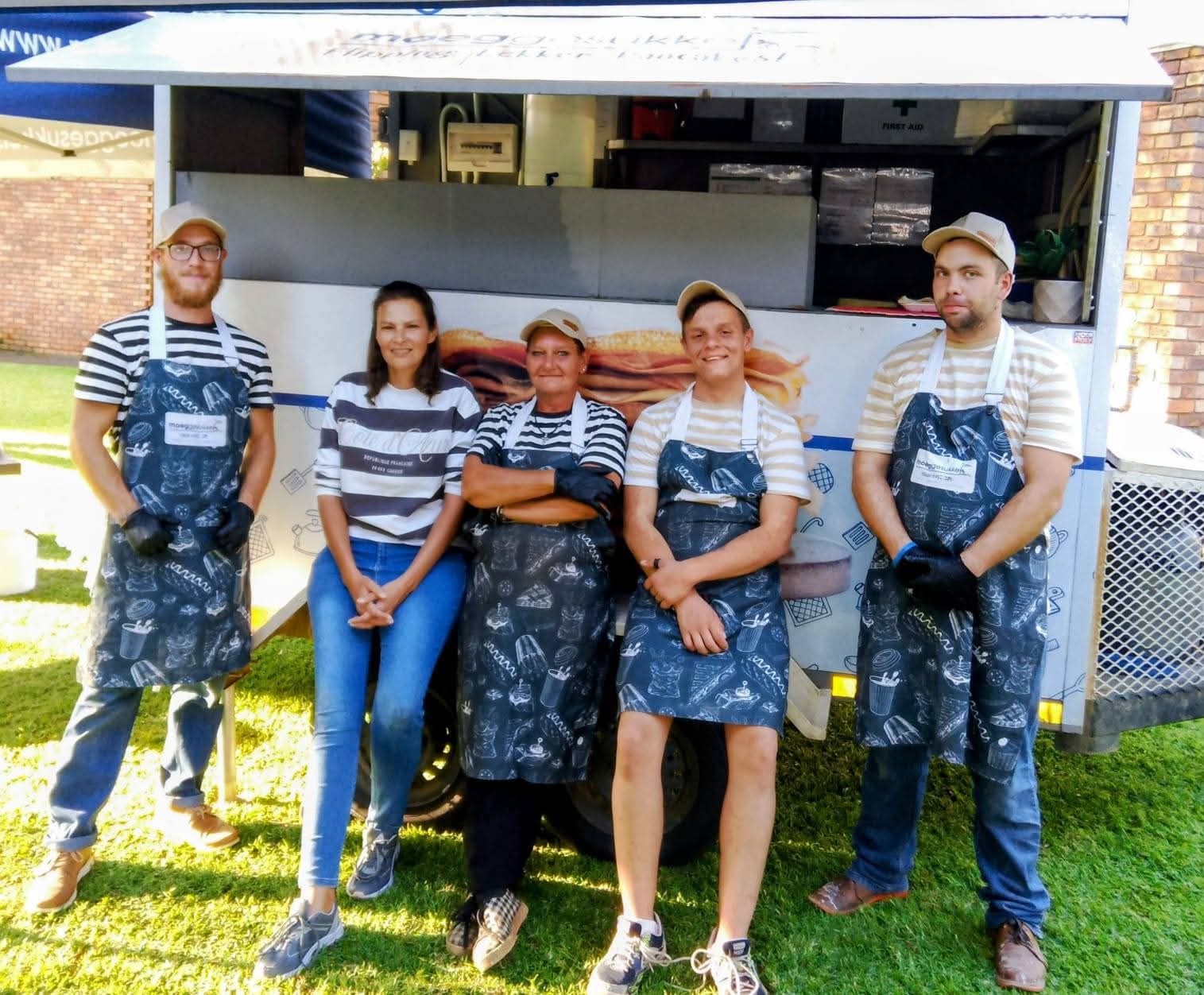
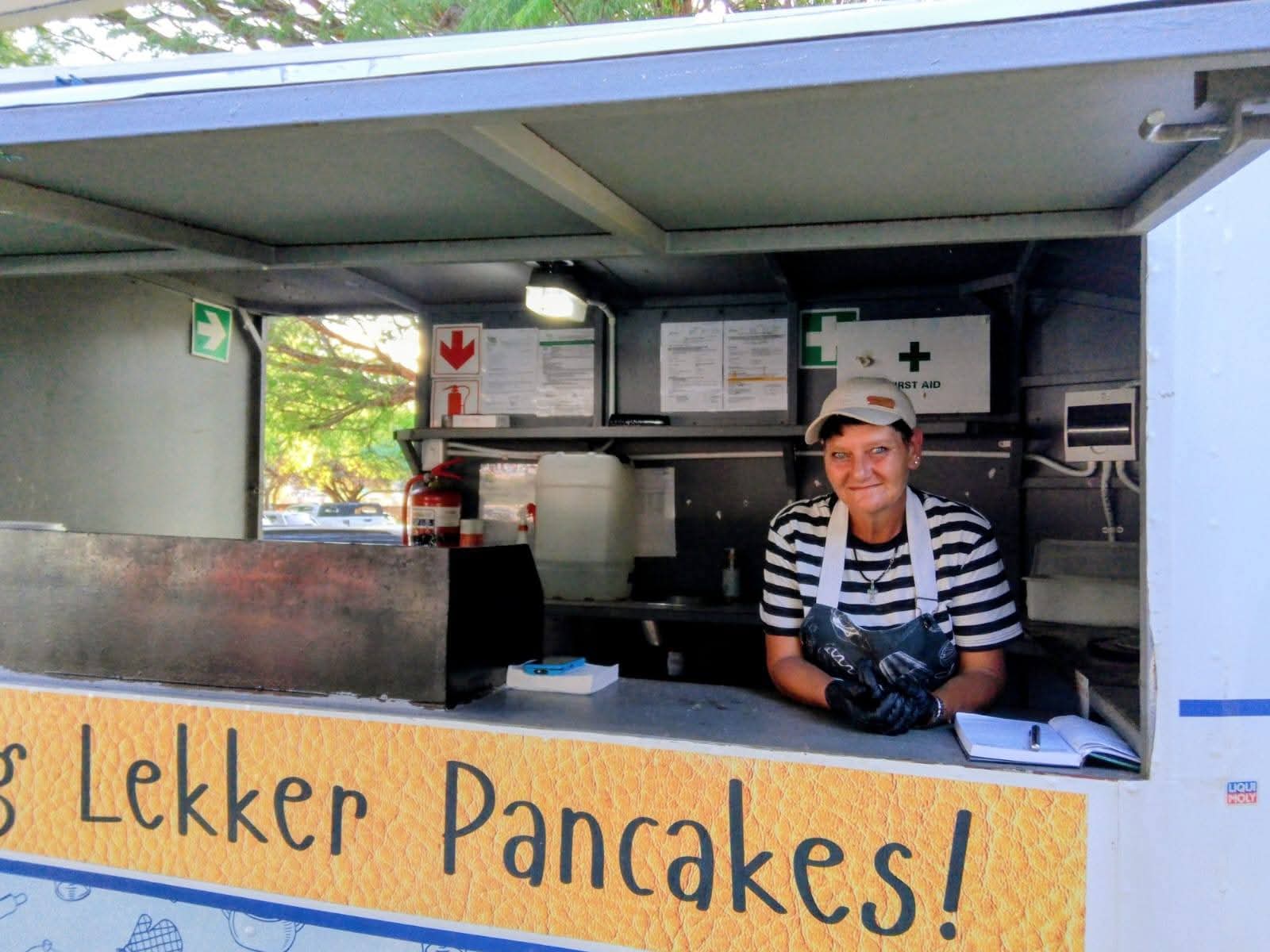
S4A partners with South African partners and NPO's to manufacture pancake/crêpe food trucks/trailers. S4A buys and donates them to homeless shelters nationwide, creating jobs, skills in construction/business, and sustainable income via sales. Inspired by Crêpes for Change (Australia) and Gospel Mission (Canada). Scalable social-franchise with branding/training.
Crafts & production workshops
S4A's small crafts/production workshops equip homeless shelters with micro-facilities for candles, soap, beadwork, woodwork, or upcycled furniture. Residents gain skills, purpose, and stipends while producing market-ready items. S4A provides national branding, bulk materials, marketing, and sales channels for sustainable income and empowerment.
S4A Doggy Parlour Trailer Initiative
S4A's Doggy Parlour Trailer Initiative builds mobile dog-wash/grooming trailers with local South African partners and NGO's. S4A buys them for income, donates to partners for operation at events/markets. Residents gain skills/training; shelters earn revenue. Supports branding/marketing for sustainable empowerment.